
TOP>Find out more about the food culture of Kyushu and Okinawa①
Find out more about the food culture of Kyushu and Okinawa.
Surrounded by the sea on all sides and having had contact with foreign countries since ancient times, Kyushu is a treasure trove of food culture, with a variety of local dishes born from its nature and history.
Saga
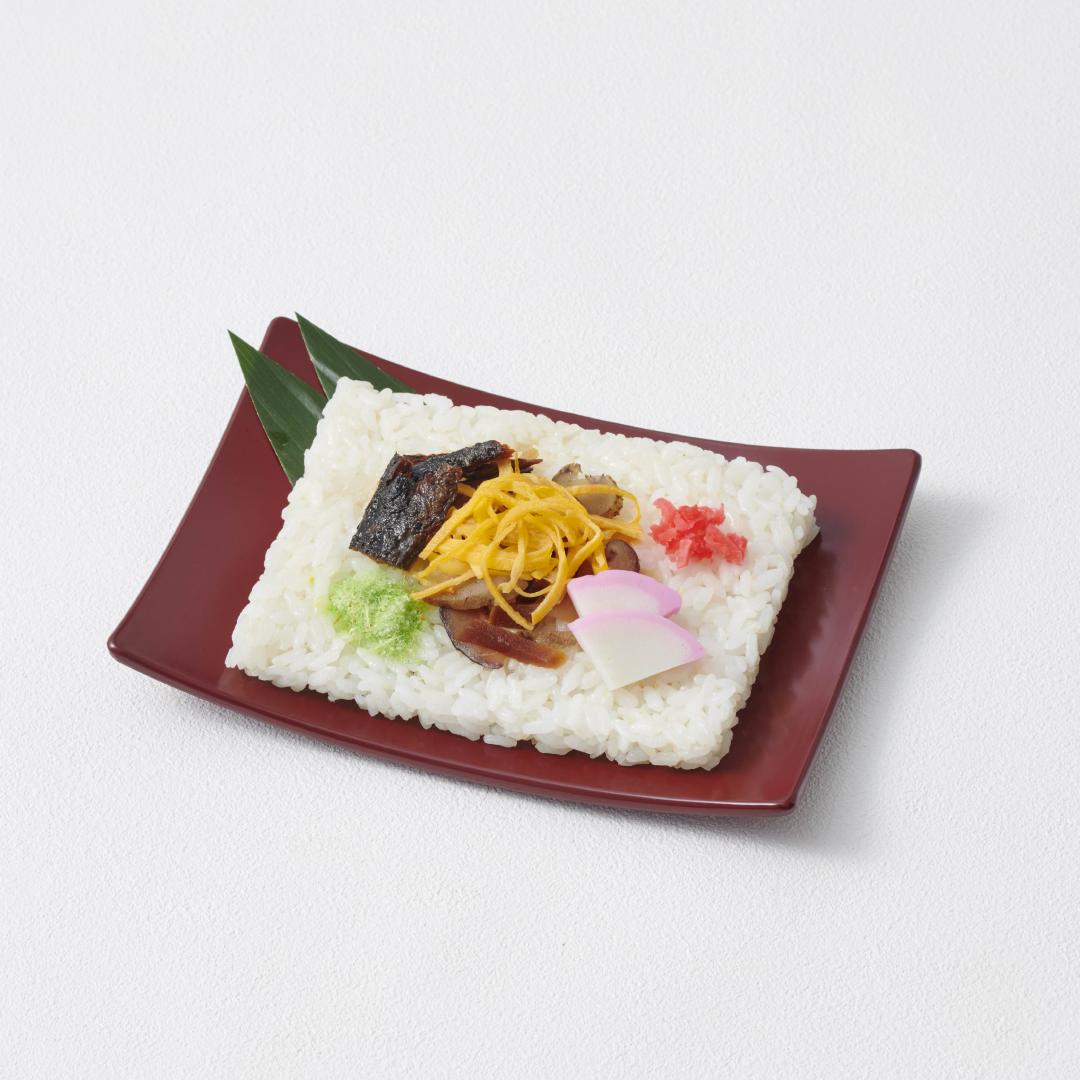
Suko sushi
Boxed sushi is a type of sushi that has been around for more than 500 years in the Suko area of Shiroishi-cho, Saga Prefecture, a famous rice-producing area in Kyushu. Legend has it that the people of the domain made sushi using the local produce from the mountains and the sea and presented it to the lord, who cared for the farmers and worked hard to improve rice varieties, to show their gratitude.
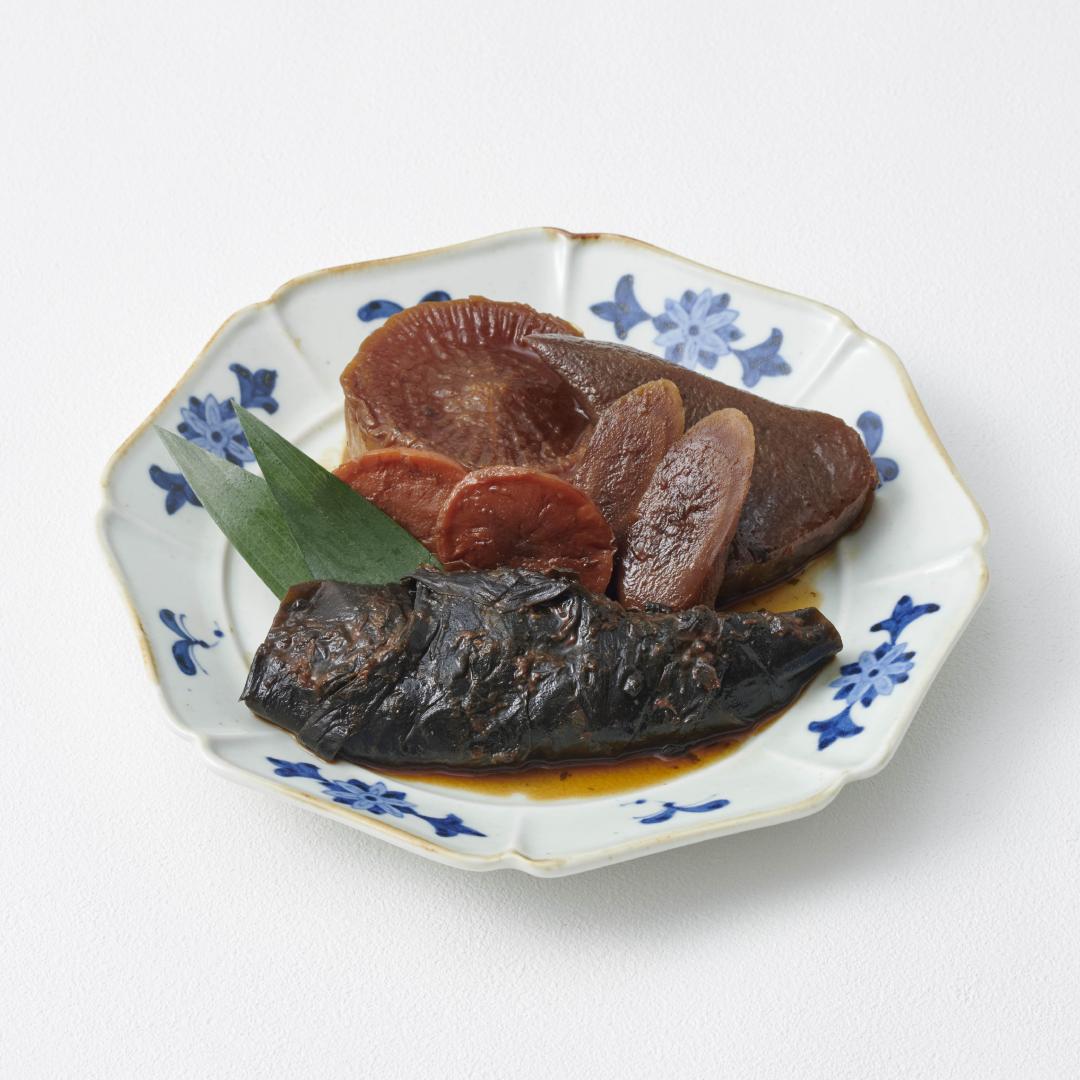
Funankogui
A local dish of Hamamachi, Kashima City, where the culture of eating freshwater fish remains strong. It is made by stewing crucian carp wrapped in kelp with seasonal vegetables. It is customary to cook it in a large pot and serve it to neighbors on special occasions. On January 20, the 20th day of the New Year, there is a custom to make offerings to Ebisu to pray for a good catch, business success, and the safety of the family.
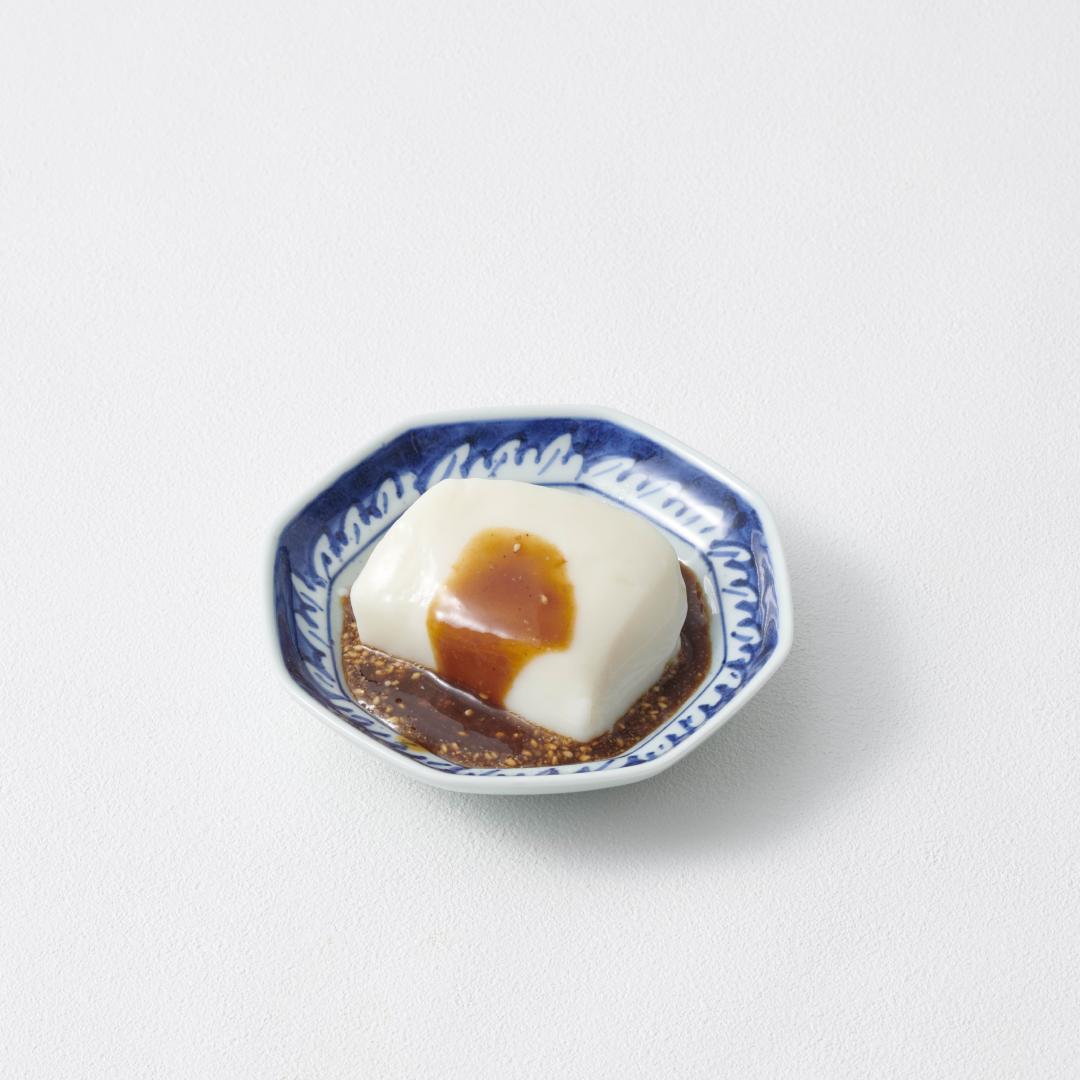
Godofu no gomashoyukake
A dish made by adding kudzu (arrowroot) and starch to soy milk and hardening it. It is characterized by its chewy texture. It is usually eaten as a side dish with sesame soy sauce, but can also be enjoyed as a snack with brown sugar syrup or kinako (roasted soybean flour). There are various theories about its origin, but some say it came from a country called Wu in China.
Nagasaki
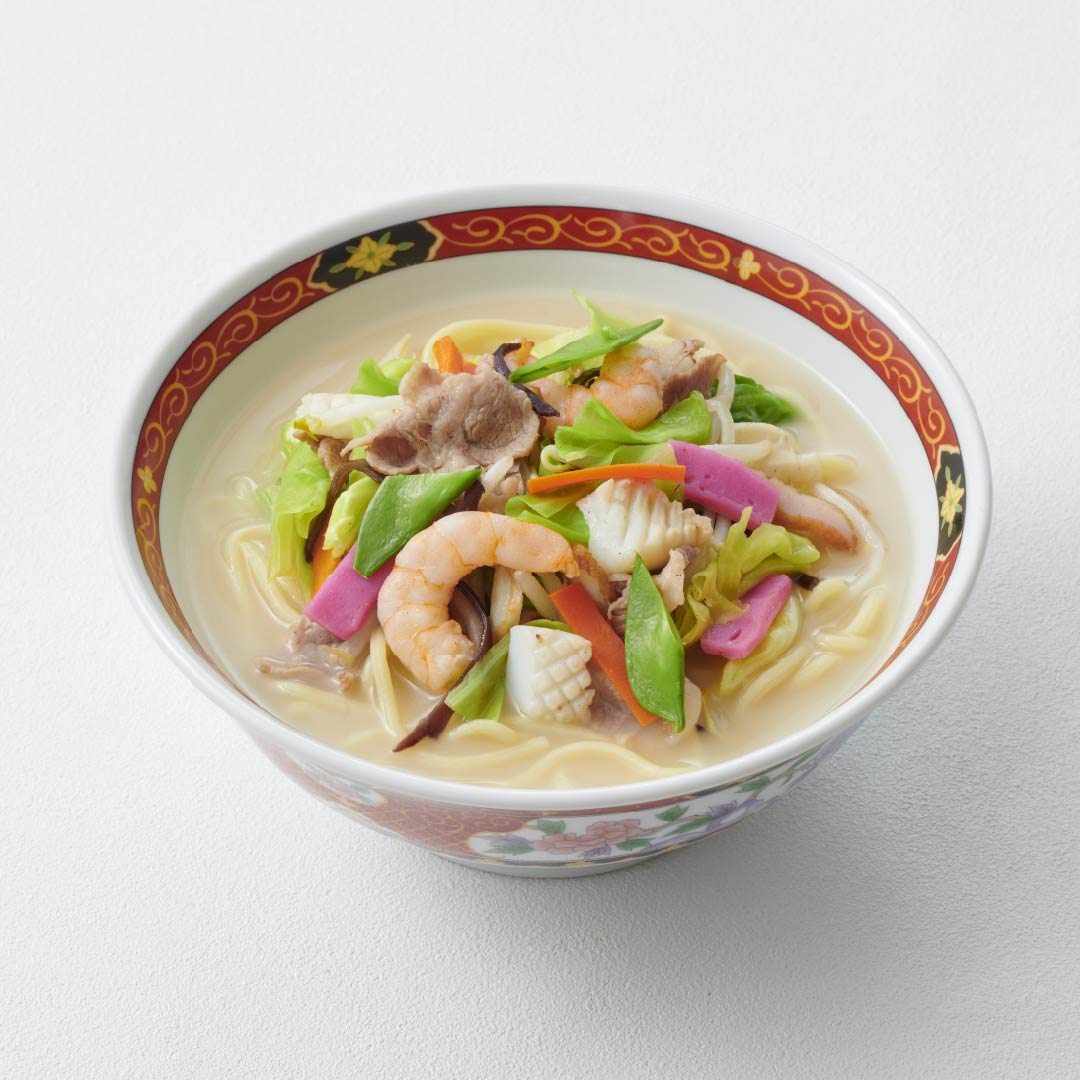
Champon
A famous specialty of Nagasaki known nationwide. In 1899, the owner of a Chinese restaurant came up with a cheap and nutritious dish for Chinese students studying abroad. It is said to have originated with stir-fried vegetables and meat scraps mixed with Chinese noodles and soup, simmered into a hearty stew.
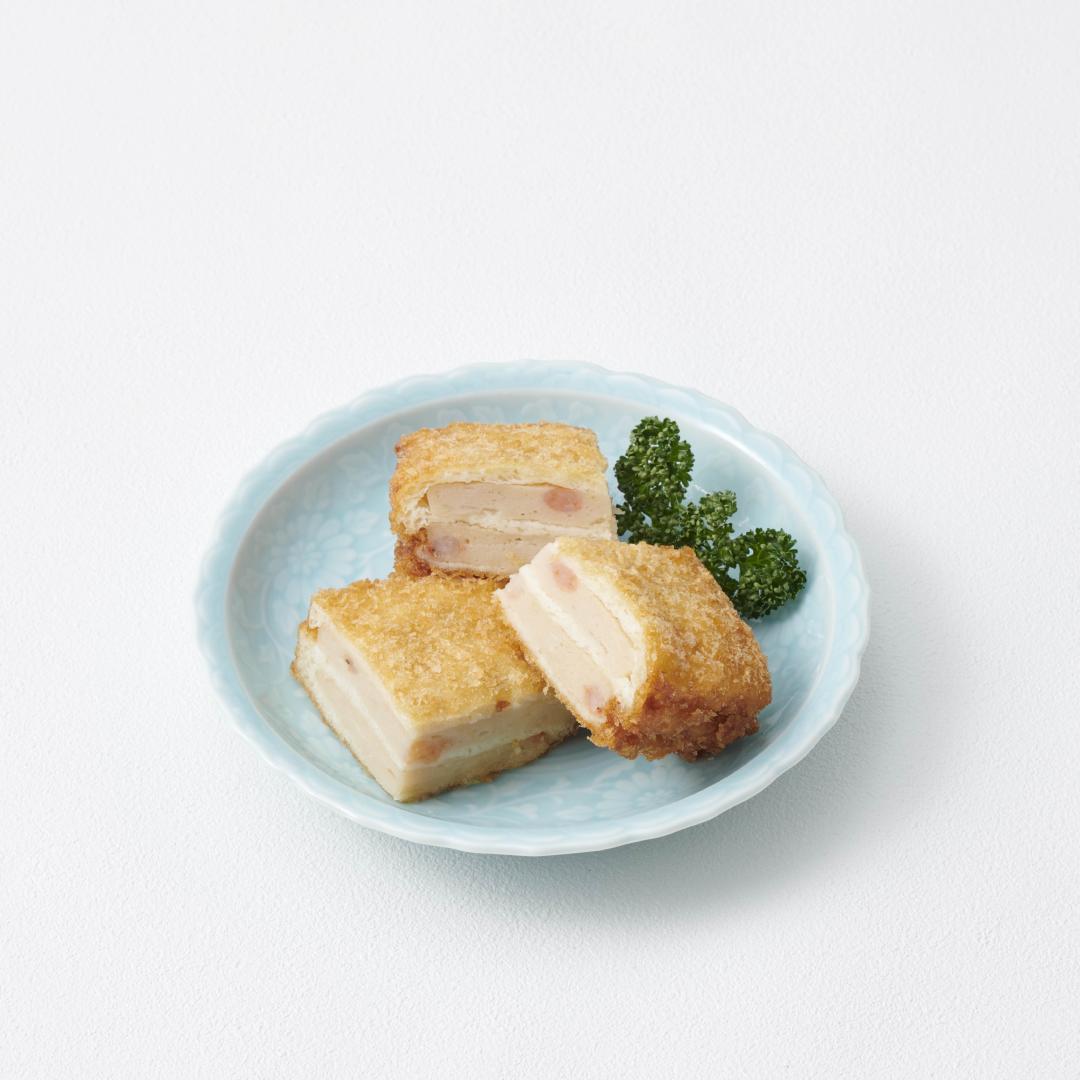
Hatoshi
It was introduced from China during the Meiji period under the Chinese name hatoshi. The dish was originally served family-style, and consists of shrimp paste sandwiched between slices of bread and fried in oil. Today, it is one of the most popular dishes and is sold in stores all over the city.
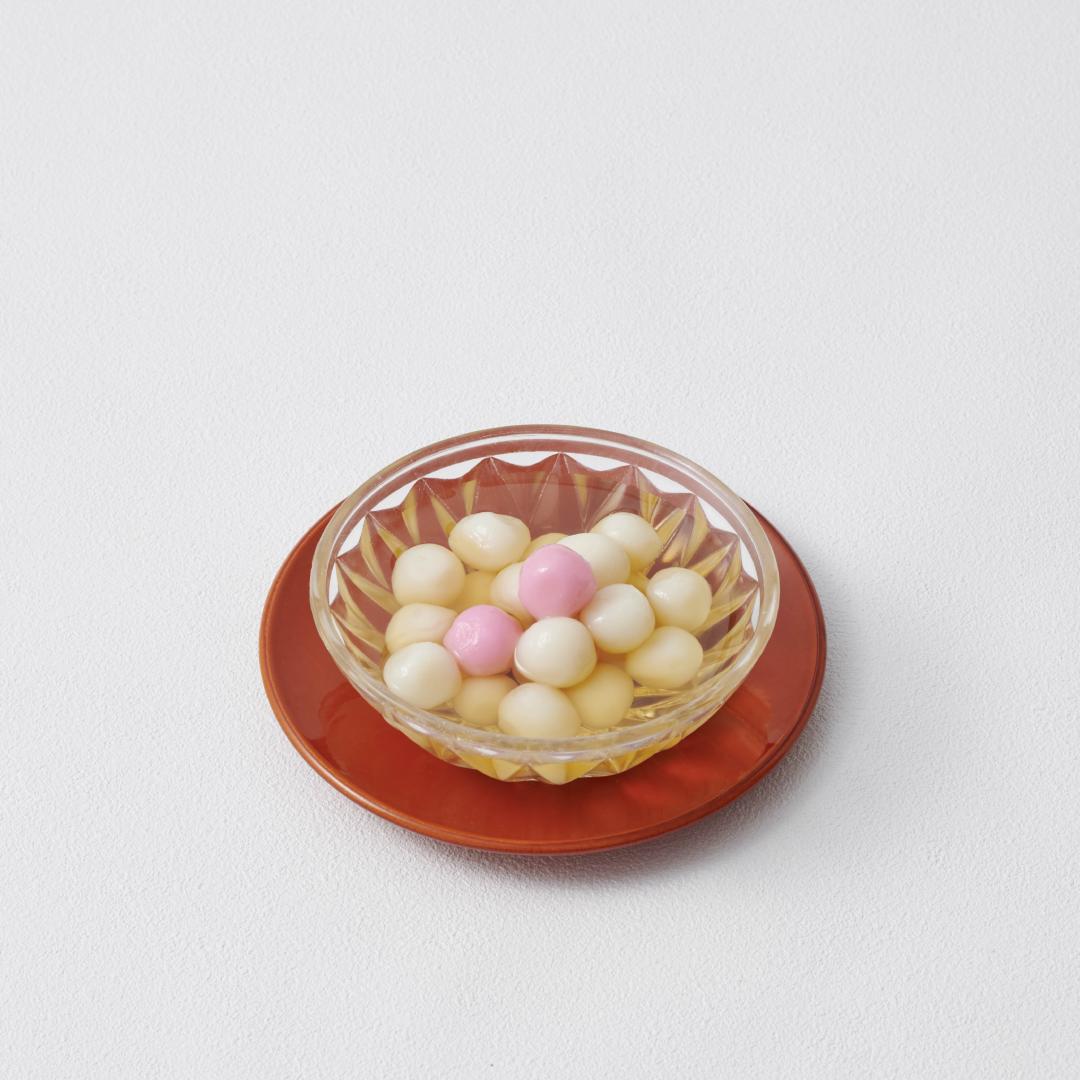
Kanzarashi
It is said that in the area of Shimabara in the past, dumplings made from the flour of rice fragments were preserved in spring water and eaten with syrup made from sugar. Before long, the glutinous rice, which was the main ingredient, was exposed to water on extremely cold days, which led to the name kan (cold) zarashi.
Kumamoto
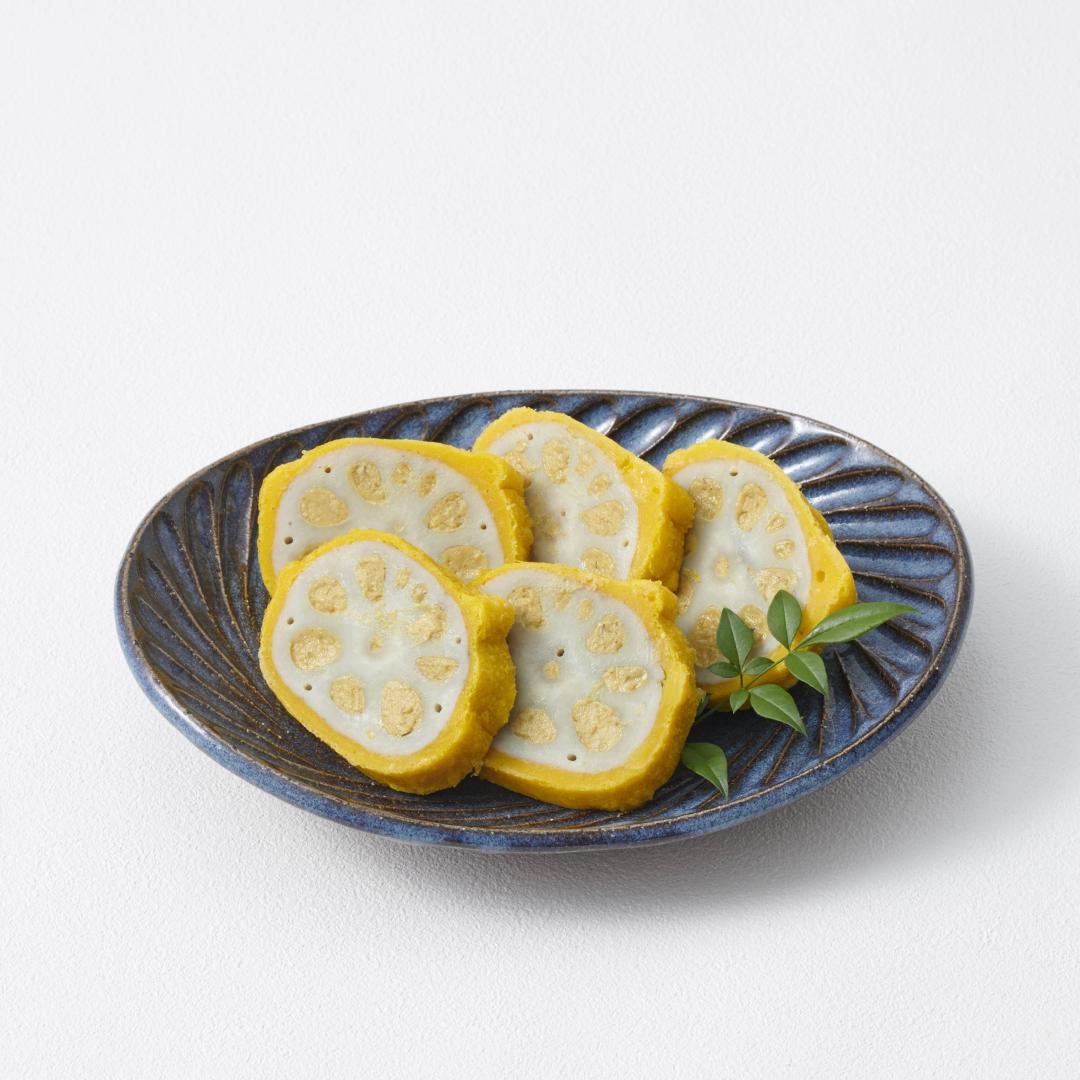
Karashi renkon
A traditional dish that has been handed down since the Edo period in Kumamoto Prefecture, where lotus roots are grown. It is said to have been invented for the lord of the domain, Tadatoshi Hosokawa, who was in poor health. Lotus root was filled with miso mixed with Japanese mustard and fried in oil, and the spiciness increased his appetite and made Tadatoshi’s body stronger in no time.
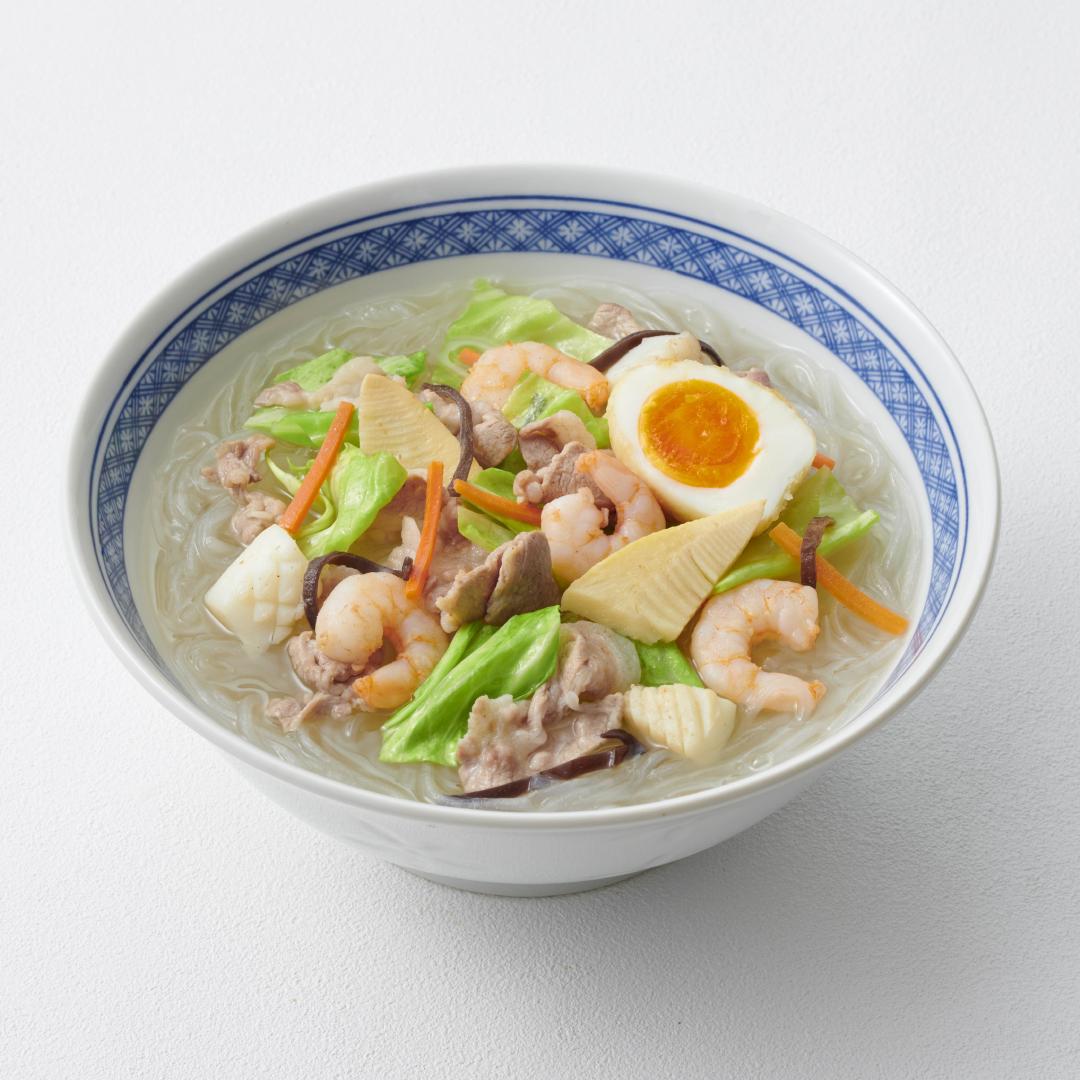
Taipiien
There is a theory that this dish first appeared in the late Meiji period when Chinese immigrants from Fujian Province in China started making soup using deep-fried boiled eggs and vermicelli instead of the expensive high-class ingredients of swift’s nests and shark fins. In Fuzhou (now the capital of Fujian Province), these eggs are called Taiping eggs and are considered a good luck dish.
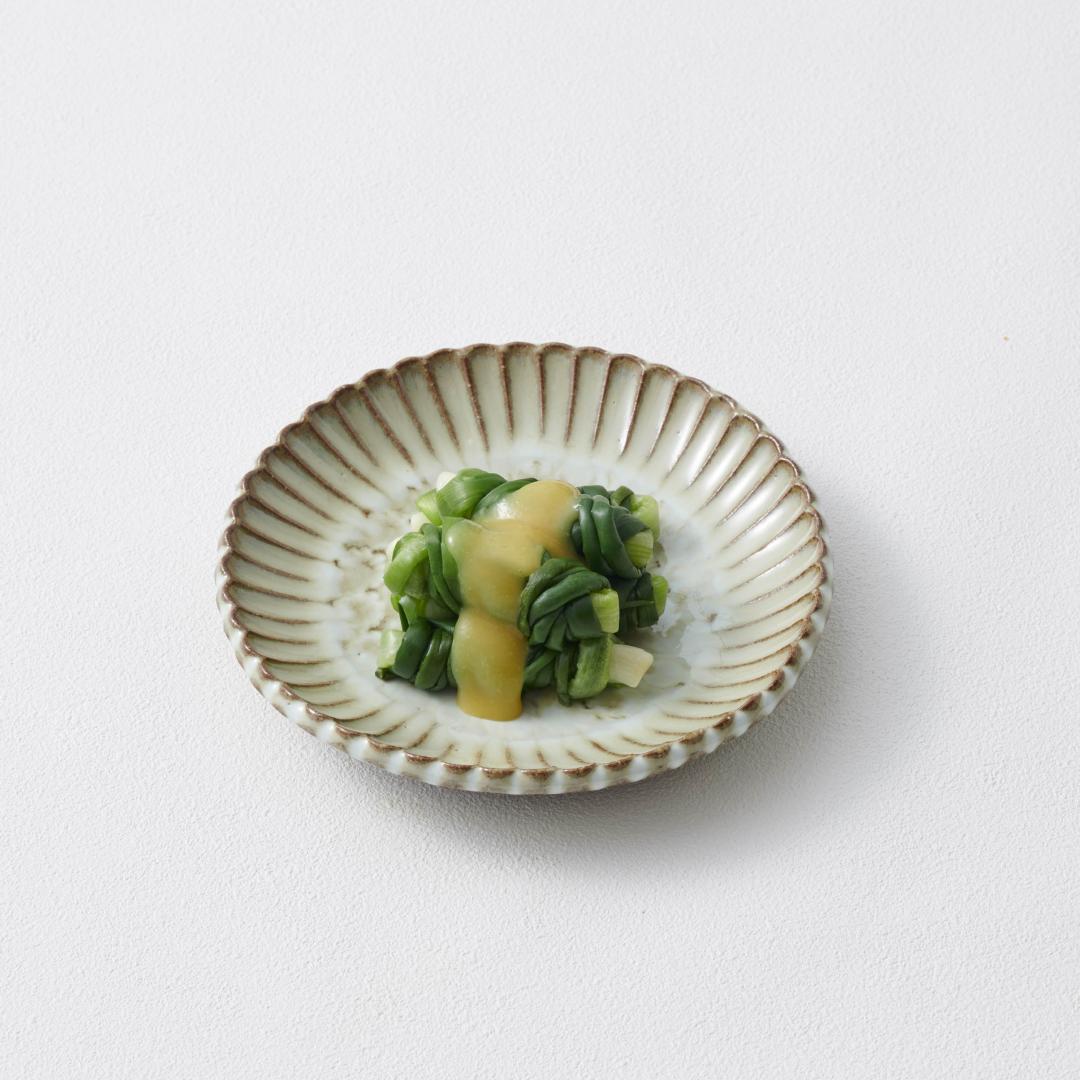
Hitomoji no guruguru
Hitomoji is another name for scallions, which are a specialty of Kumamoto. It is said to have originated as a cheap and delicious snack to go with alcohol, brought about by thrift ordinances issued by the Higo clan in the middle of the Edo period. It got its name from the green leaves that are wrapped (guruguru) around the white roots of the scallions, which are boiled briefly.
Okinawa
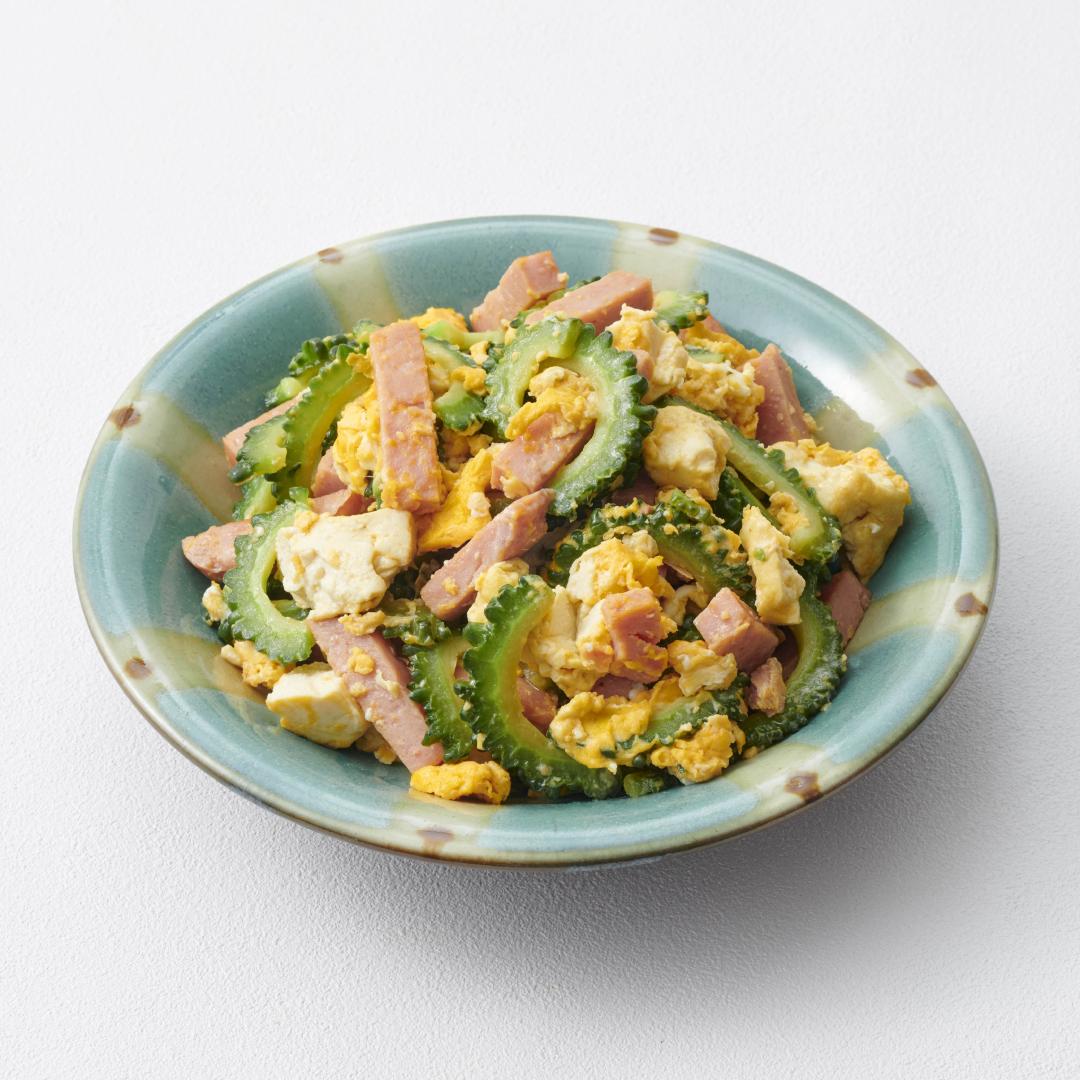
Goya champuru
Champuru, which means “mixed up” or “jumbled” in the Okinawa dialect, is a typical Okinawan dish made from stir-fried island tofu and various ingredients. Goya champuru is made from goya (bitter melon) and is highly valued for its highly heat-resistant vitamin C content, which helps prevent summer fatigue.
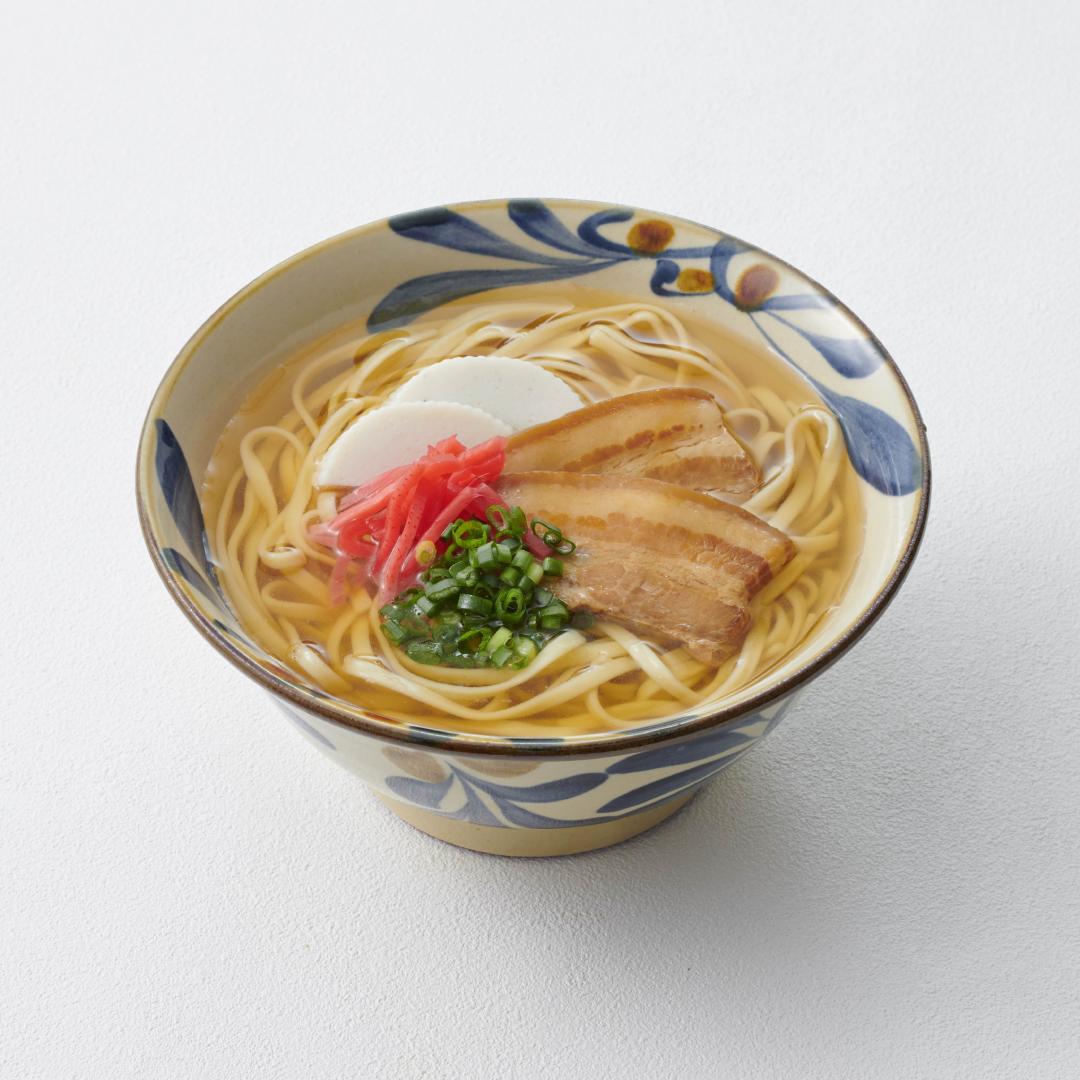
Okinawa soba
It features thick noodles made entirely from wheat flour instead of buckwheat flour, and a rich broth made from pork bones and bonito flakes. The usual ingredients were traditionally simmered pork belly, stick kamaboko fish paste, green onions, and pickled ginger, but in recent years there have been various types of soups and ingredients, such as spare rib soba and cartilage spare rib soba.
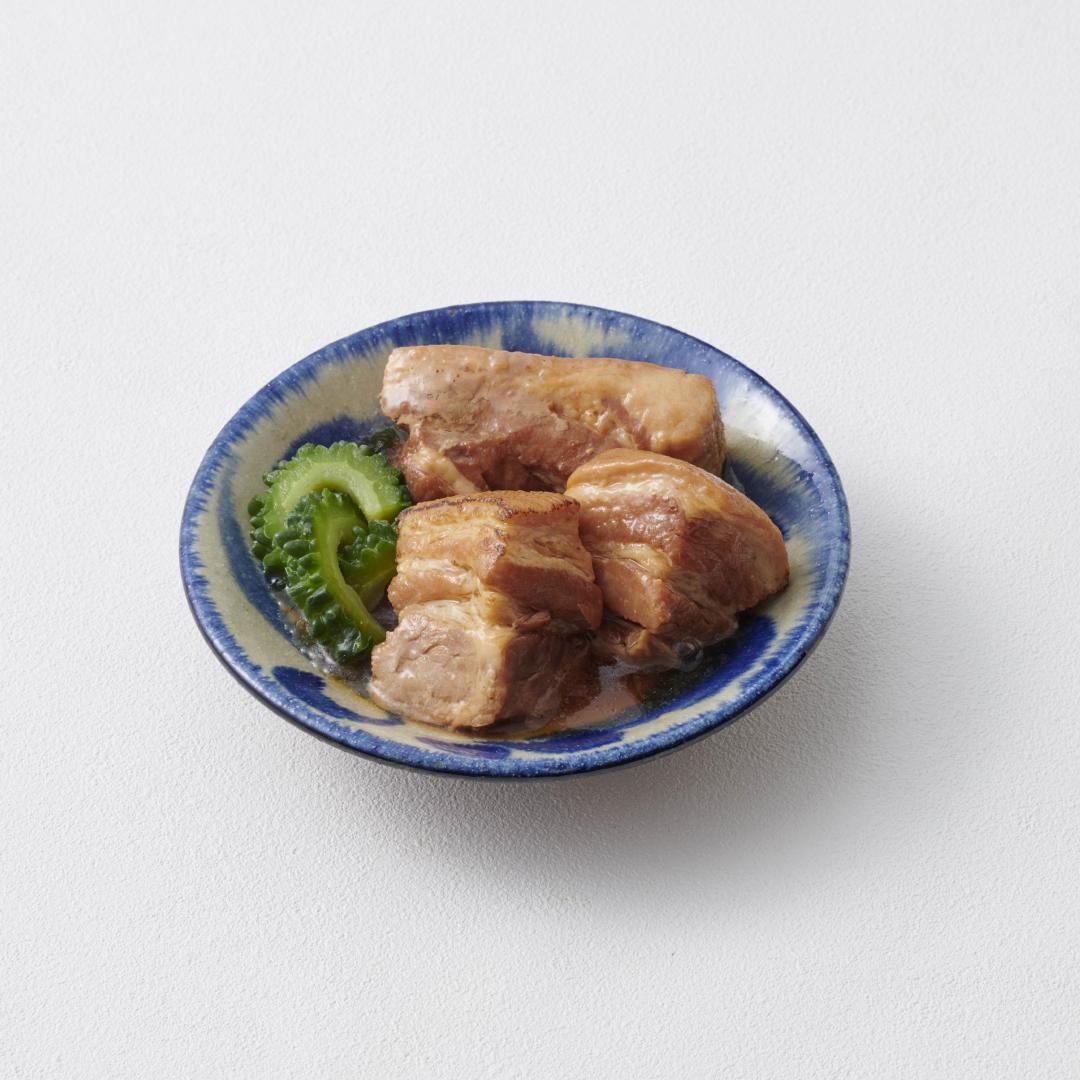
Rafute
Pork culture developed under the influence of the Ryukyu Dynasty’s interactions with China, and Ryukyu cuisine in Okinawa is said to begin and end with pork. The dish is skin-on pork belly that has been slowly cooked for a long time with sugar, soy sauce, and awamori, and is characterized by the melty texture of the skin and the faint aroma of awamori.