
TOP>Find out more about the food culture of Kyushu and Okinawa②
Fukuoka
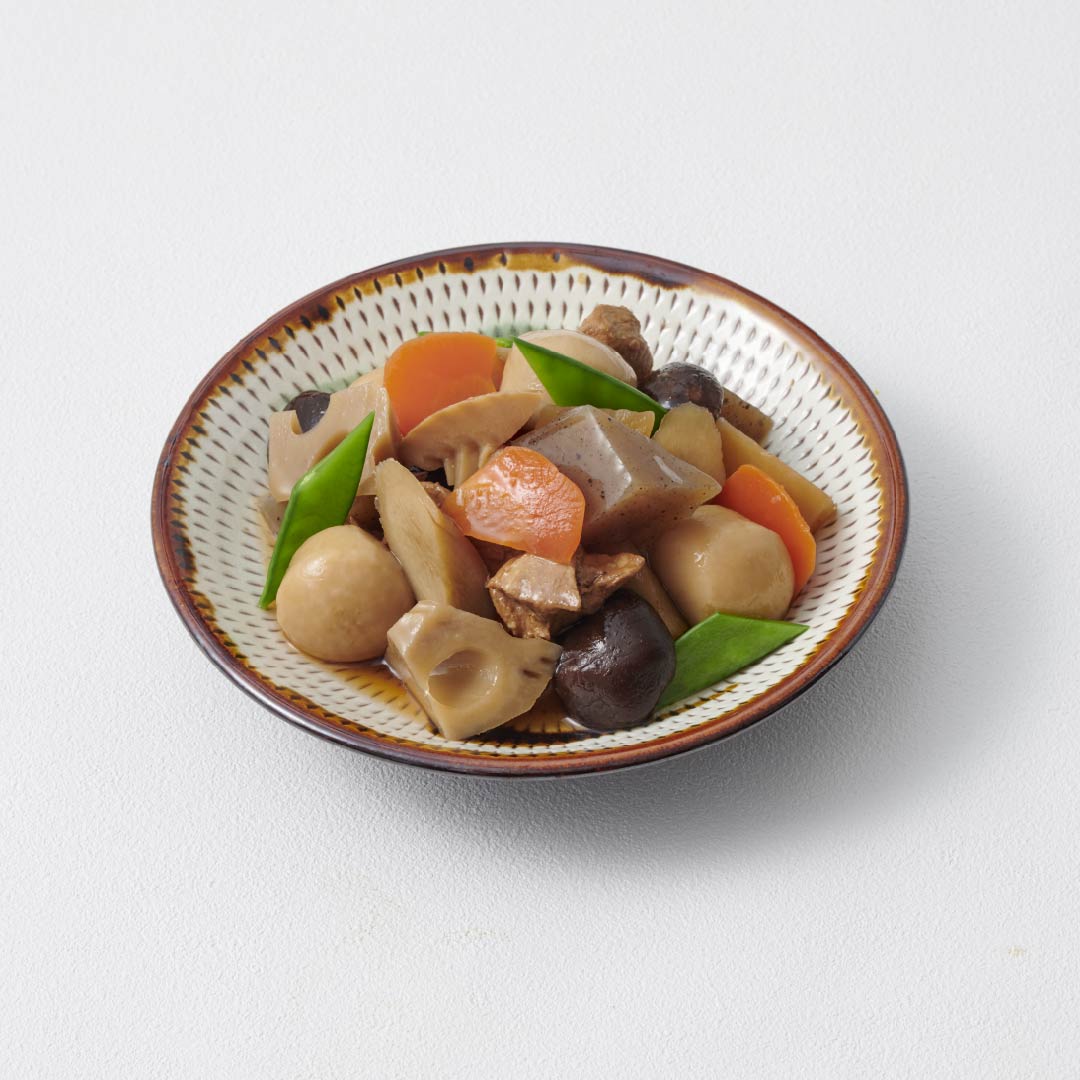
Gameni
The name comes from the word “gamekurikomu” in Hakata dialect, which means “to gather together.” A variety of root vegetables such as burdock and lotus root are stewed together with chicken in this local dish that you can’t miss when entertaining guests for New Year’s, festivals, and celebrations. It is also called chikuzenni throughout the country.
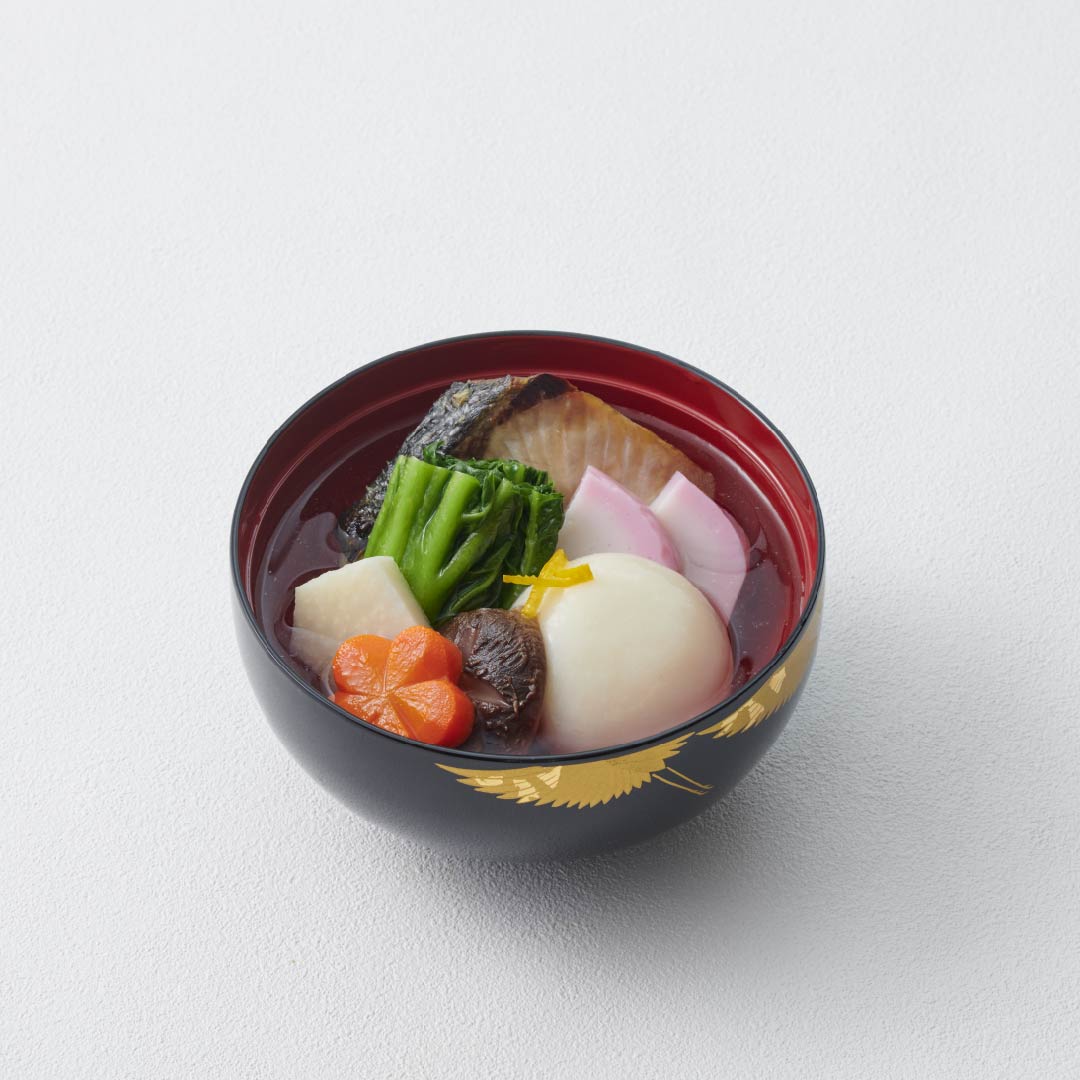
Hakata zoni
Hakata ozoni has a lot of ingredients, such as soup stock made from grilled flying fish, yellowtail, and kamaboko fish paste. Another feature is the addition of leaf mustard, which are auspicious traditional vegetables linked to victory. It is said that in the past, the homes of Hakata merchants, who used to have many visitors, would skewer individual servings of ingredients so that they could be served quickly.
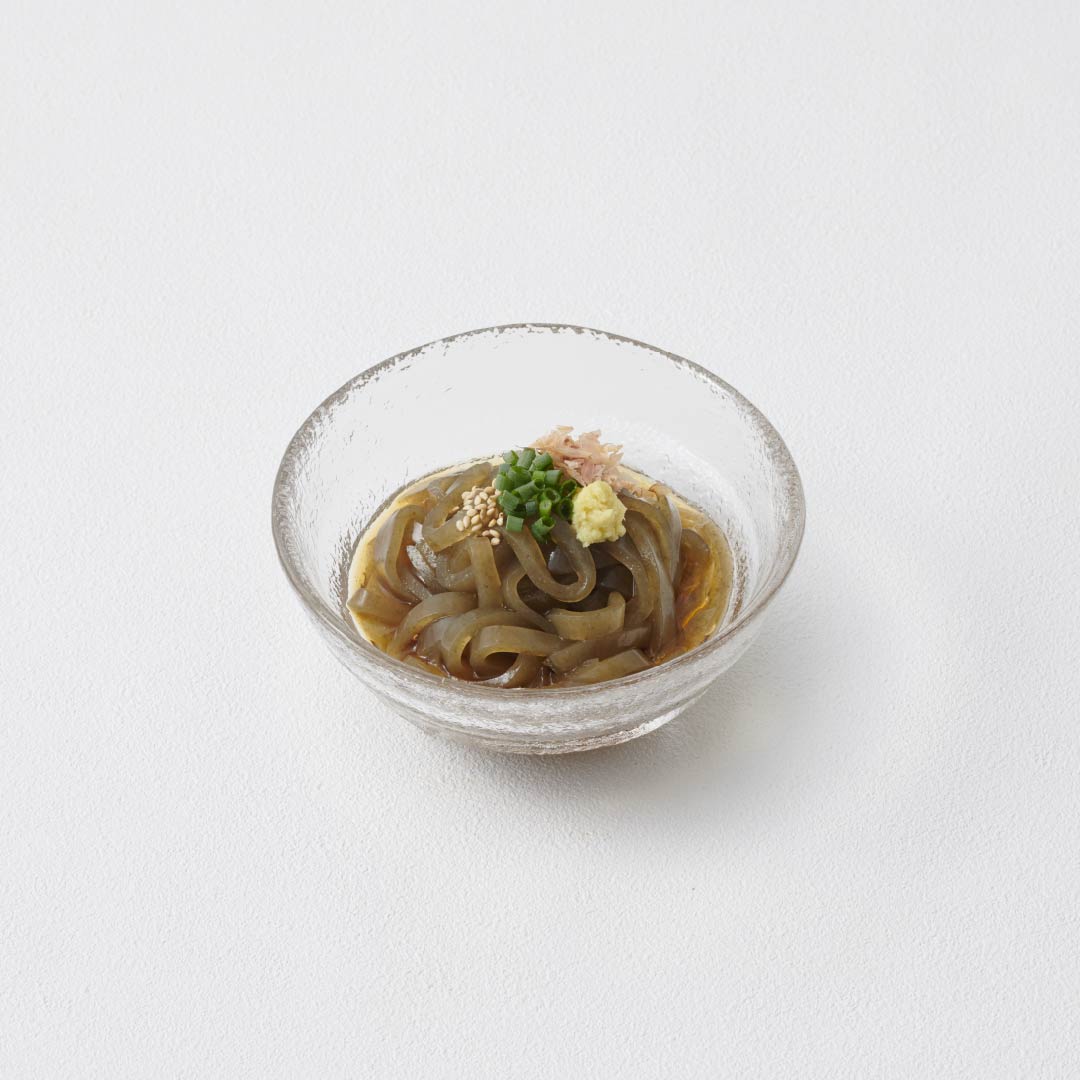
Okyuto
A dish unique to Fukuoka Prefecture, which faces the sea, that is made by drying and boiling egonori seaweed until it melts and hardens into an oval shape. It is characterized by its chewy texture and the smoothness with which it goes down. This dish was so essential for breakfast that there used to be okyuto vendors who would sell it every morning.
Oita
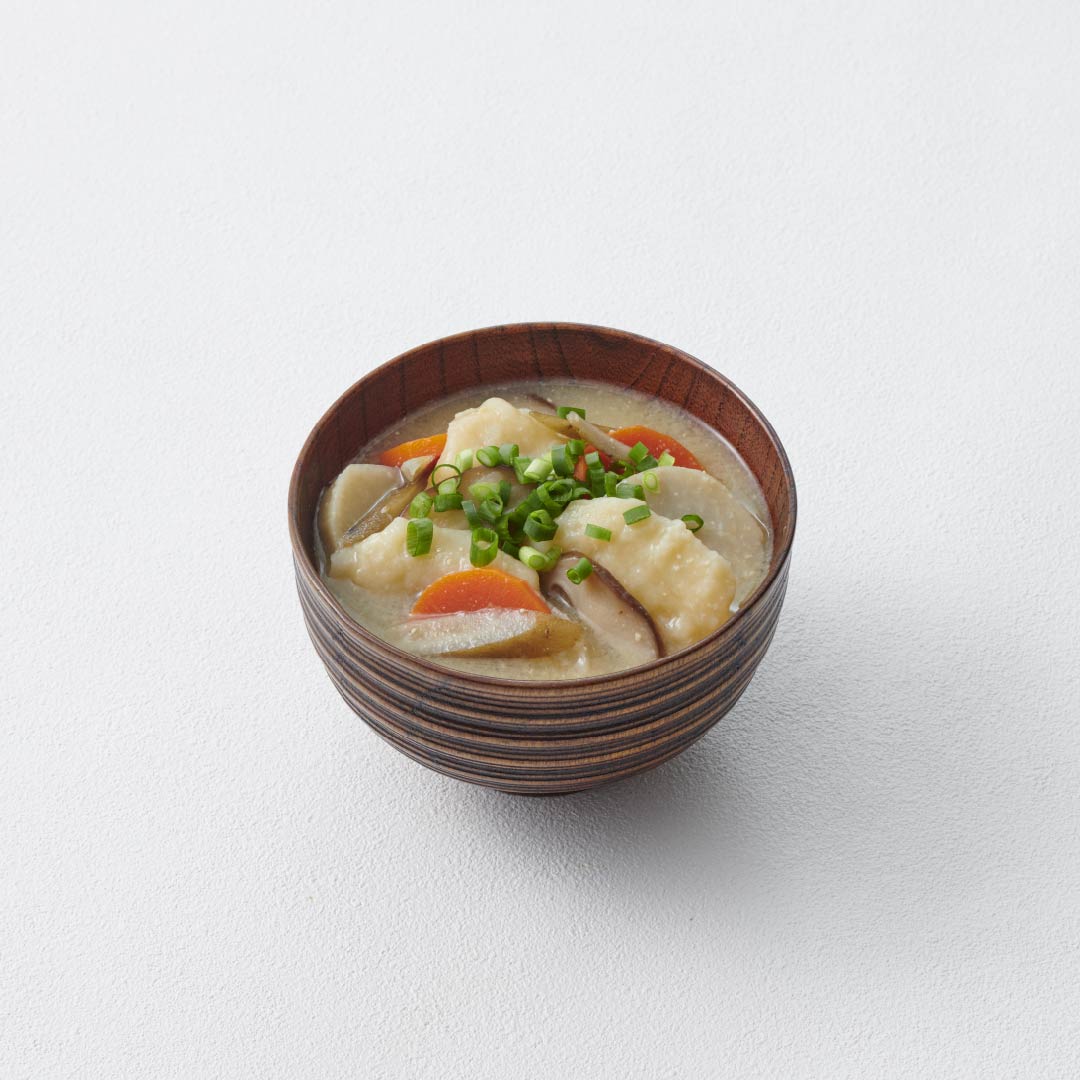
Dango jiru
Oita Prefecture has many areas unsuitable for growing rice, and grains such as wheat have been cultivated since ancient times, causing a culture of eating flour to take root. The dumplings are made by kneading flour into thin strips and simmering them together with the other ingredients in a miso-based soup, which is a popular local flavor.
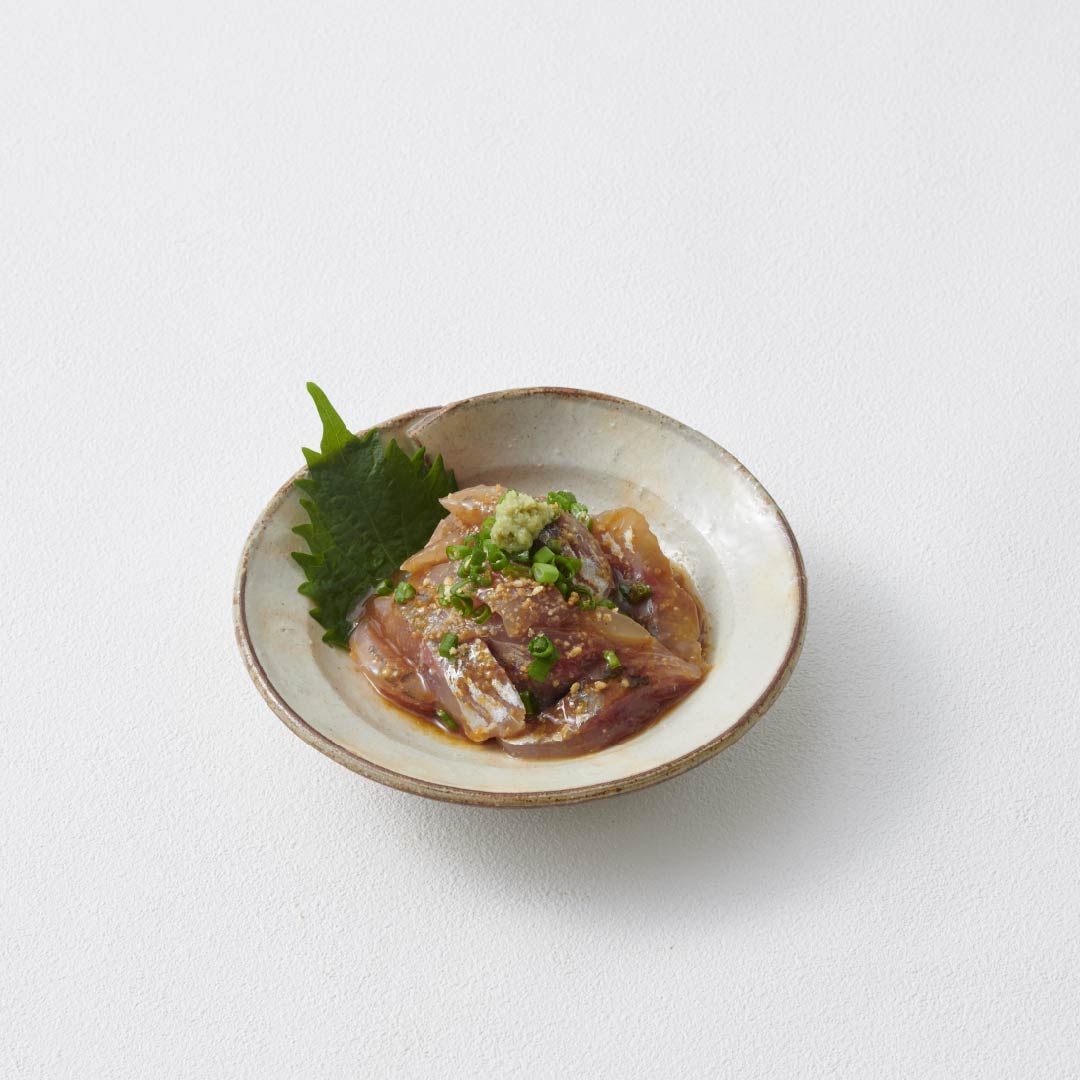
Ryukyu
A dish of fresh fish dressed with sesame sauce. It spread throughout Oita Prefecture as a meal for fishermen and as a preserved food. There are various stories about the origin of the name, including that the locals learned how to make it from fishermen in Okinawa (Ryukyu), and that it was named after the sesame-based “Rikyu dressing.”
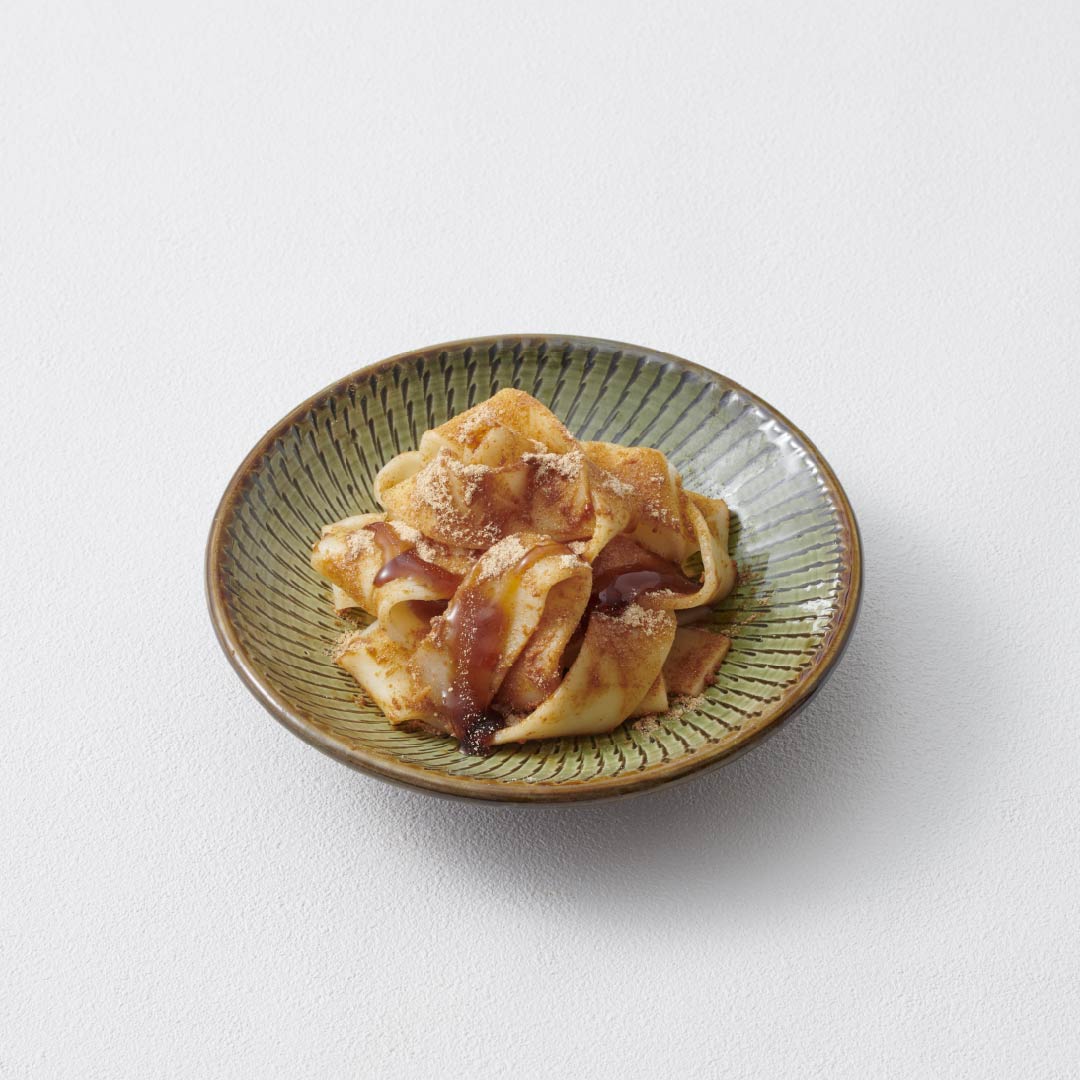
Yaseuma
An old-fashioned snack made by flattening kneaded flour, boiling it, and then sprinkling it with kinako (roasted soybean flour) or sugar. According to one account, it has its roots in the Heian period, and its name comes from a young nobleman who, on his way to worship at Myorenji Temple in Oita Prefecture, begged his wet nurse Yase for something tasty (umai mono) by saying “Yase, uma.”
Miyazaki
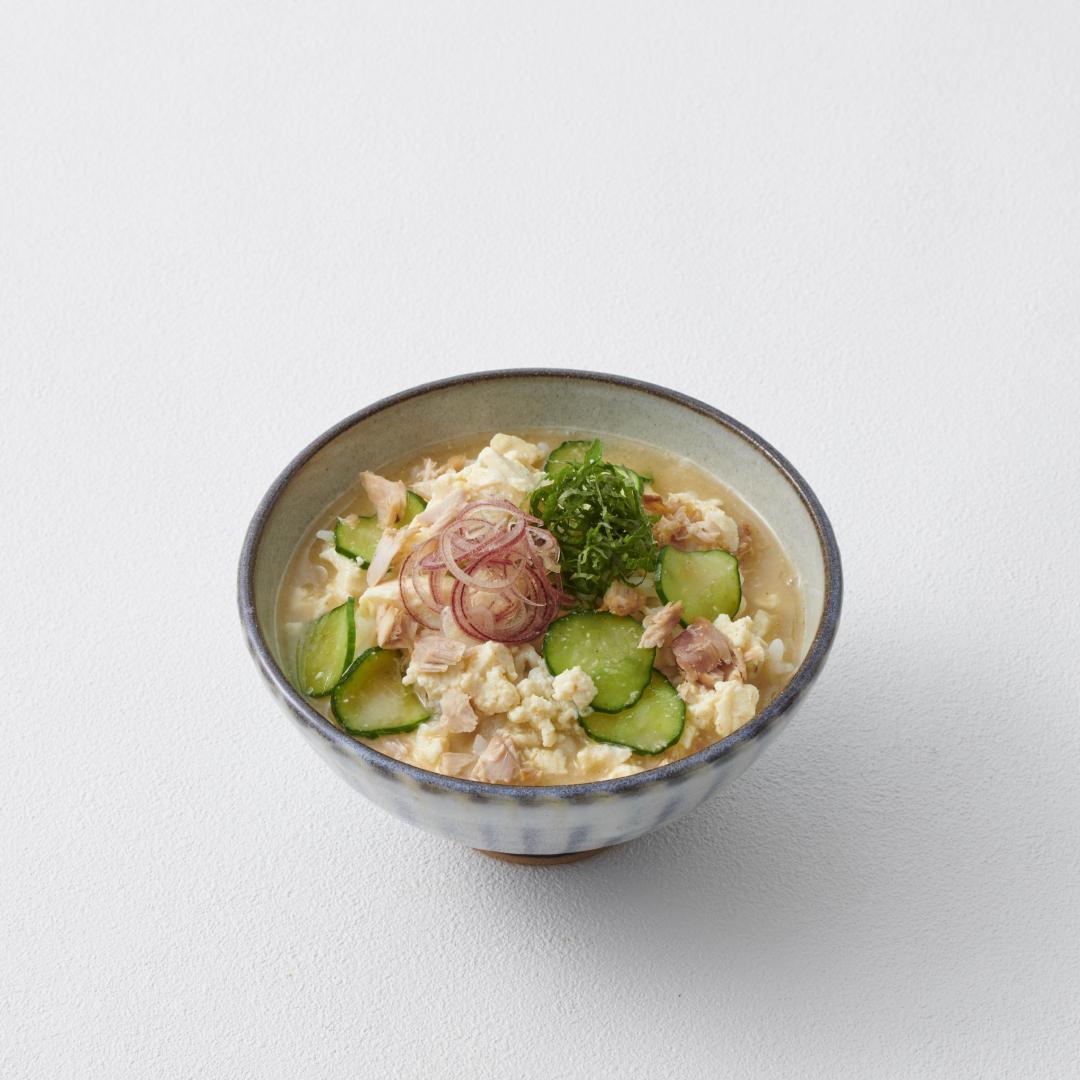
Hiyajiru
It was once a simple dish that farmers ate, made by pouring miso and water over leftover rice. However, depending on the region people began to add seafood and vegetables, and it spread throughout Miyazaki Prefecture. It’s a dish that harnesses the wisdom of the people of old, providing nourishment and allowing you to eat it quickly when you don’t have time or in hotter weather when your appetite decreases.
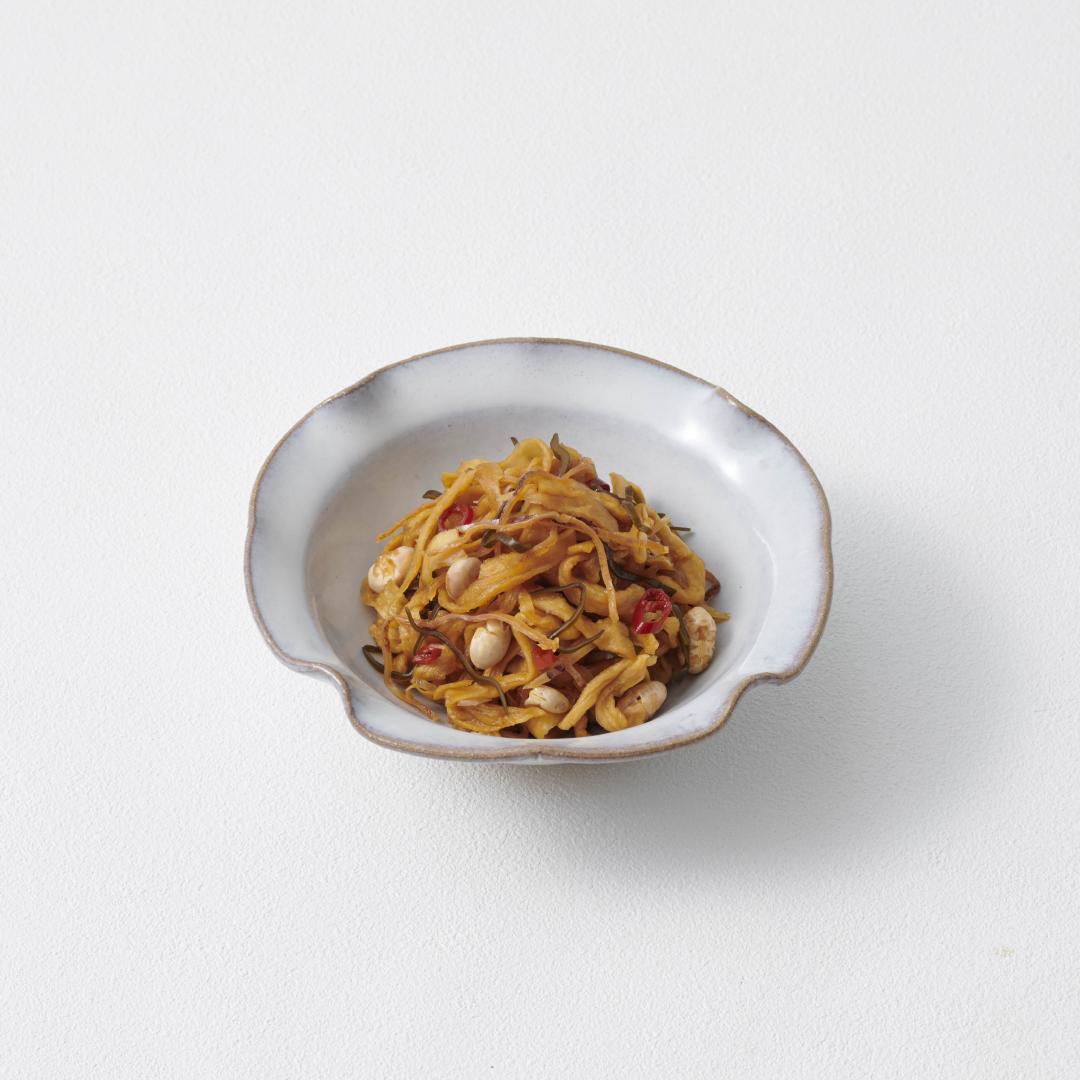
Sengiri daikon (kiriboshi daikon) no madakazuke
This nutritious pickled dish is full of healthy ingredients such as shredded (dried) daikon radish produced in Miyazaki Prefecture, one of the largest producers in Japan, roasted soybeans, carrots, dried squid, and kelp. It is said that it got its name because it was so delicious that people couldn’t wait for it to be ready, saying “Mada ka? (It’s still not done?)”
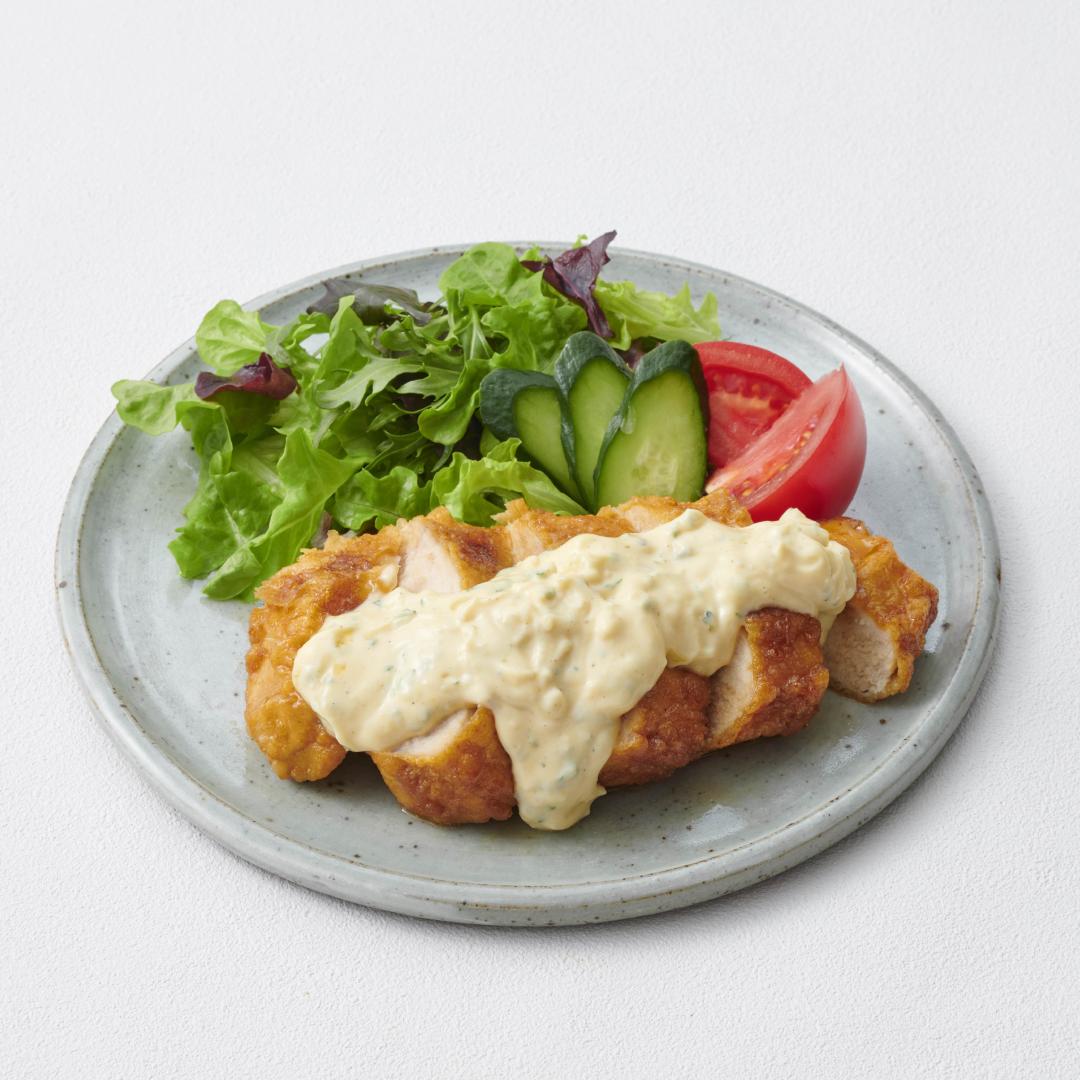
Chicken nanban
It is said to have originated in the 1950s as a dish for staff in a Western-style restaurant in Nobeoka City. At the time, it was also called “fried chicken with sweet and sour pickles,” but later the current style of adding tartar sauce and garnishing it with a salad, etc., became popular, and its popularity spread nationwide.
Kagoshima
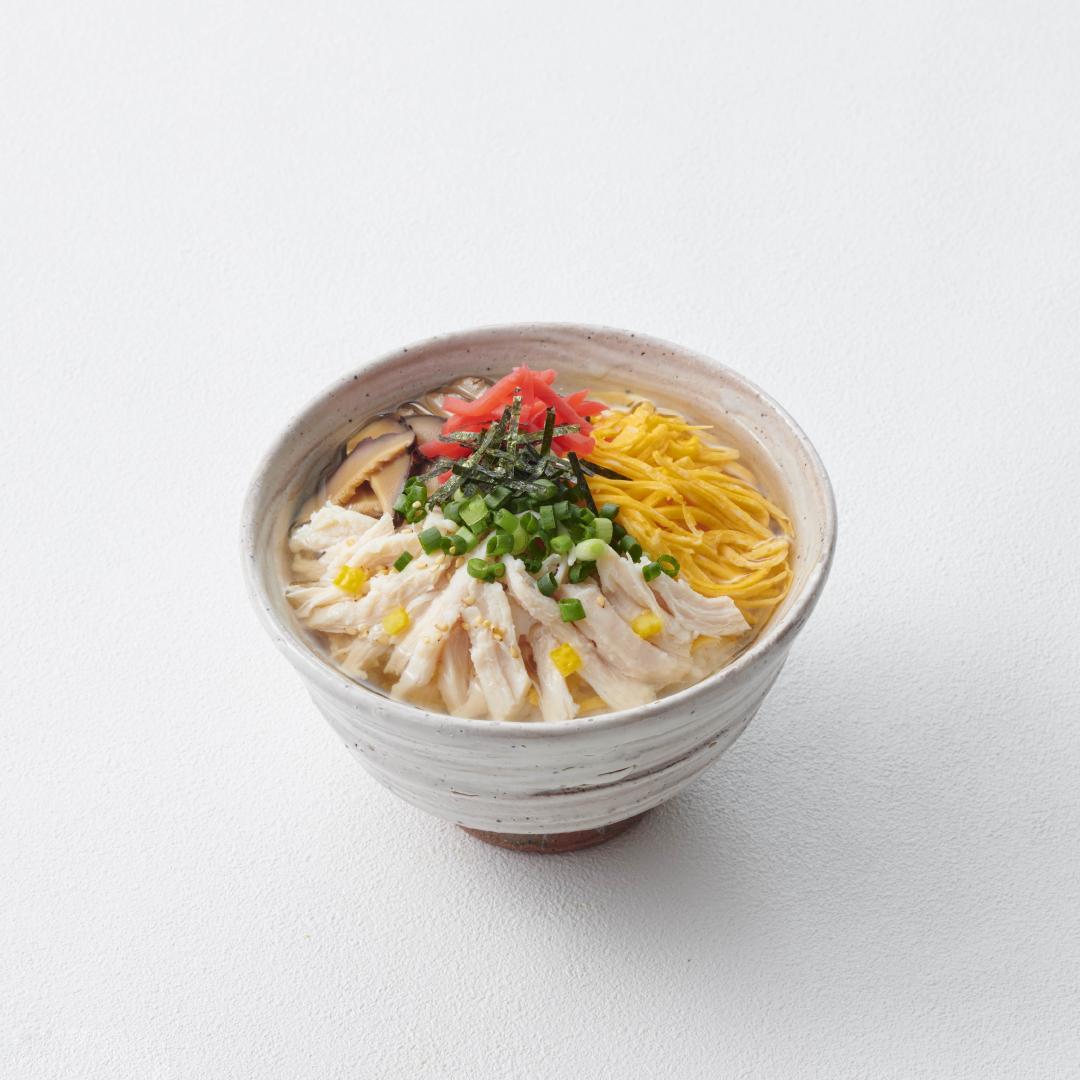
Keihan
A local dish representative of the Amami region, with shredded chicken, dried shiitake mushrooms, thin-cut omelet, papaya marinated in miso, and tangerine peel served over rice and topped with chicken stock soup. It is said to have originated in the period when the region was under the control of the Satsuma clan, and it was designed to entertain officials from the mainland.
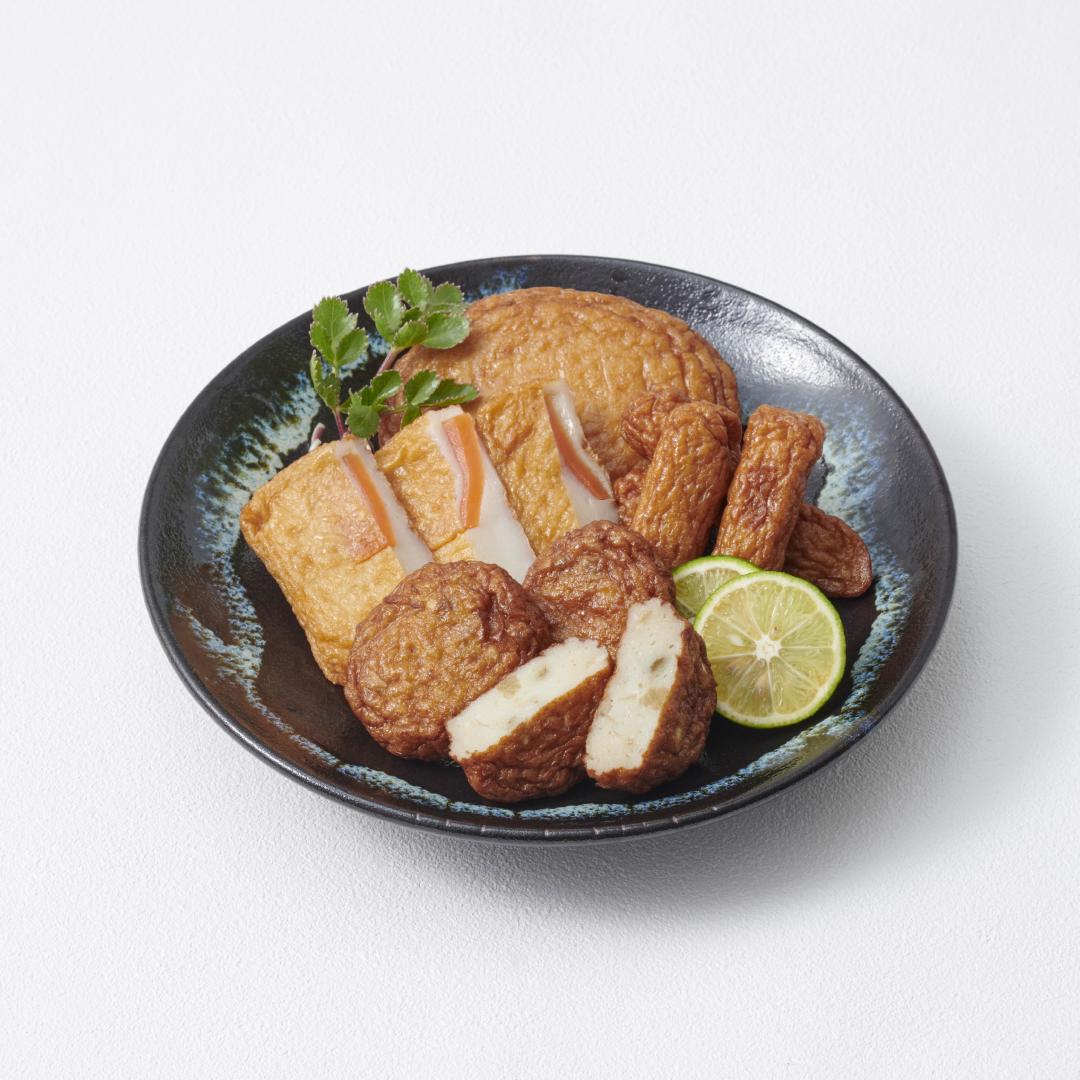
Tsukeage
Fish paste mixed with tofu and local sake unique to Kagoshima which is then fried in oil. It is characterized by adding sugar to give it a sweet finish, and is called satsuma-age or tempura in other prefectures. There is a theory that, in the Edo period, Nariakira Shimazu of the Satsuma clan invented this dish as something that could be preserved in accordance with the local climate.
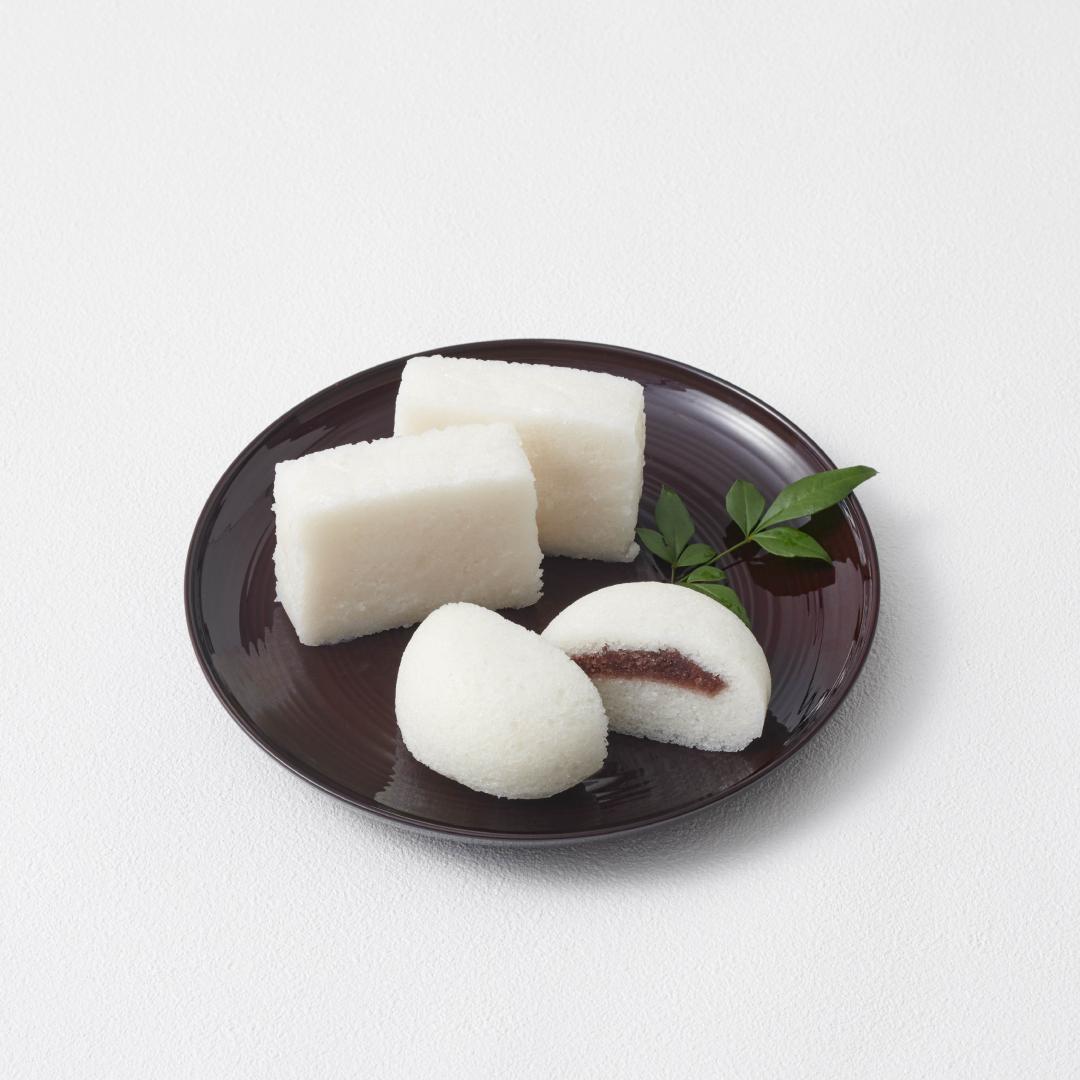
Karukan
A famous confection from Kagoshima Prefecture, made from yam, rice flour, and sugar. The name is derived from the fact that it becomes light when steamed. There are various theories about its origin, but it is said to have been made by a confectioner named Yashima Rokubei, who was called from Edo by Nariakira Shimazu of the Satsuma clan, using native yam grown in the Shirasu Plateau.
Source: Created based on the Ministry of Agriculture, Forestry and Fisheries’ “Our Local Cuisine” (https://www.maff.go.jp/j/keikaku/syokubunka/k_ryouri/)
Yamaya products
We deliver mentaiko and other Kyushu specialties everywhere.