
TOP>Let's learn about Japanese food culture.
Let's learn about Japanese food culture.
Traditional Japanese food culture: Washoku
Cultivated in Japan’s unique climate, washoku is a traditional food culture based on the Japanese ethos of respectingnature.
Four characteristics of Washoku
Climate

Diverse ingredients and techniquesDiverse ingredients and techniques
Japan is a long country, stretching from north to south, and is brimming with seas, mountains, villages, and expressive natural landscapes. Various ingredients are used that are rooted in each particular region. Numerous techniques and tools have also been developed that bring out the flavors of those ingredients.
Lifestyle
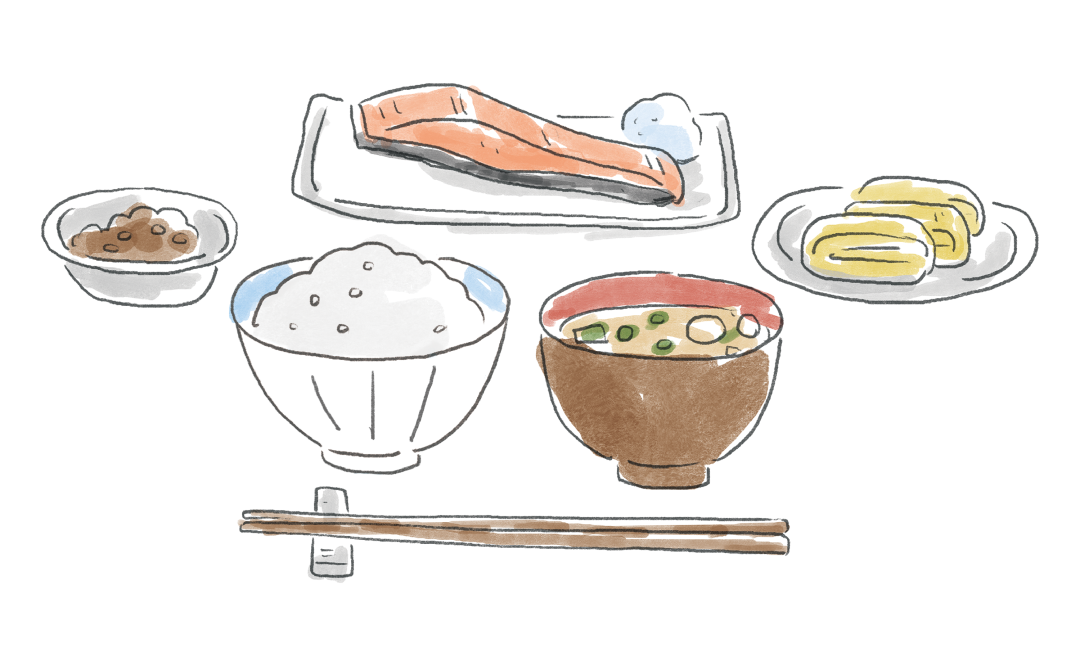
The nutritional balance of Ichiju sansaiThe nutritional balance of Ichiju sansai
Ichiju sansai is a meal consisting of rice, one soup, and three main and side dishes. Japanese diets are based on this concept, and are said to have an ideal nutritional balance, which also helps Japanese people live longer and prevents obesity.
Four seasons

Expressing the beauty of nature and the changing seasons
One of the characteristics of where you eat is that it expresses the beauty of nature and the changing of the seasons. Dishes are decorated with flowers, leaves, and other seasonal items, and tableware and furnishings are used that also match the season.
Events
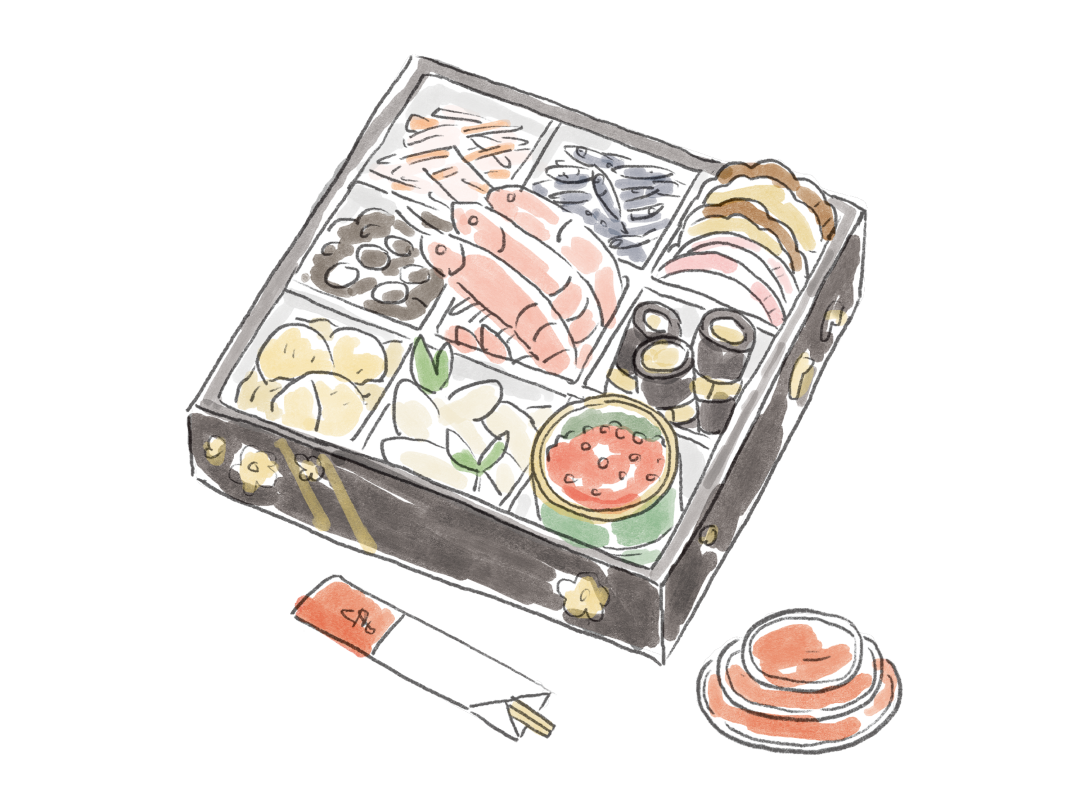
Close connections with traditional annual events
In Japan, there are customs for eating and serving special dishes at seasonal events in appreciation of the food that is a blessing of nature. Sharing meals together has strengthened ties between families and communities.
----------
The world-renowned appeal of Washoku
Washoku, the traditional dietary cultures of the Japanese based around respecting nature and practicing a healthy diet, was registered on the UNESCO Representative List of the Intangible Cultural Heritage of Humanity on December 4, 2013.
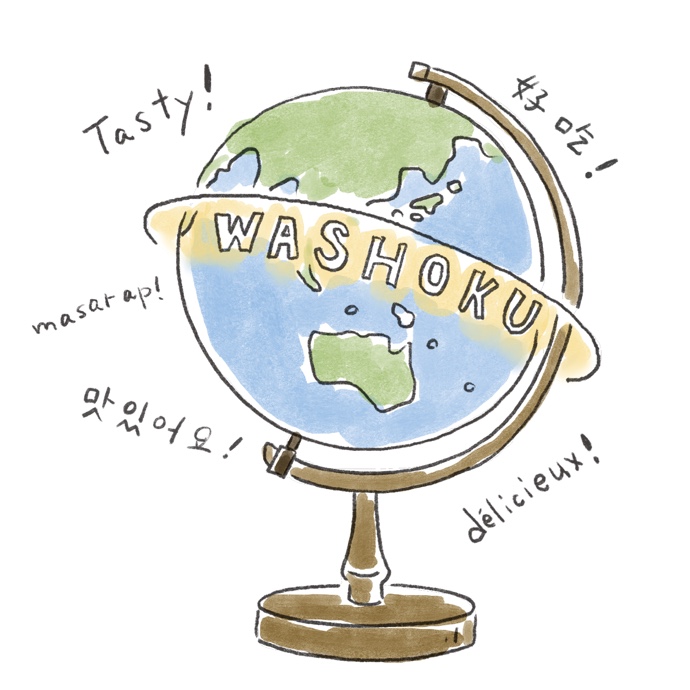
Source: Created based on the Ministry of Agriculture, Forestry and Fisheries’ “Dietary Culture Portal Site” (https://www.maff.go.jp/j/keikaku/syokubunka/)
Dashi, the foundation of Washoku
Washoku is full of the wisdom and techniques of the Japanese people, who enjoy the ingredients they eat. Dashi is what supports the flavors. There are many types of dashi stock and various ingredients are used depending on the region, such as bonito, kelp, shiitake mushrooms, grilled flying fish, dried shrimp, and dried scallops.
<Main types of dashi>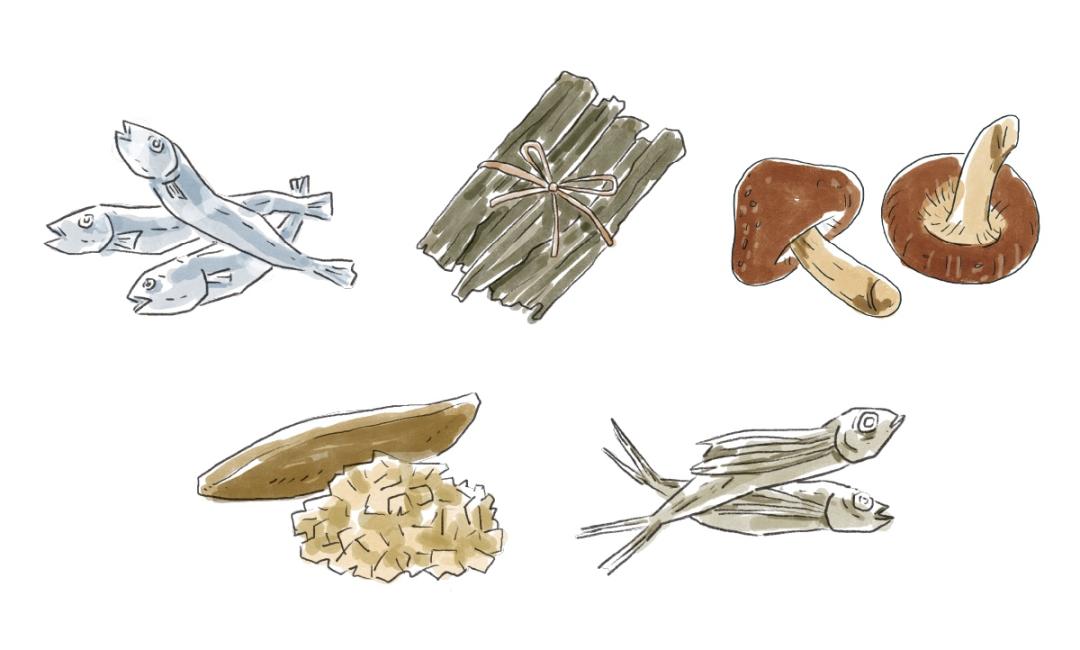
Umami, an essential element of Washoku
Umami is one of the five basic flavors (along with sweet, salty, sour, and bitter). It brings a rich aroma and deep flavor to dishes. In Japanese cuisine, umami plays an important role in enhancing the taste of ingredients and connecting them to the overall deliciousness of the dish.
Source:GSI Maps
Source: Created based on the Ministry of Agriculture, Forestry and Fisheries’ “Dietary Culture Portal Site” (https://www.maff.go.jp/j/keikaku/syokubunka/)