
Introducing the Echizen Cutlery Traditional Craftsmen
What is a traditional craftsman?
This system was established in 1975 to recognize craftspeople who have passed the examination administered by the Japan Traditional Crafts Industry Promotion Association and are certified as possessing advanced techniques and skills. They are responsible for striving to hone their skills and techniques in the manufacture of traditional crafts designated by the Minister of Economy, Trade and Industry, and for passing on their skills to future generations.
-------------------------------------------------
Traditional craftsman Kamo Katsuyasu
Certified in 2007
We develop products that users will be happy with and satisfied with. 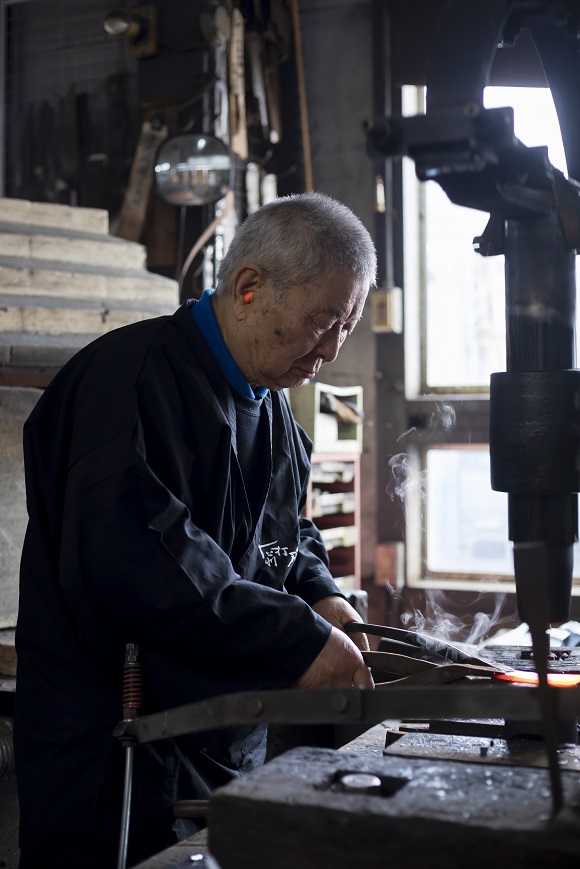
He studied under his father, a craftsman, in his teens. In 1975, he co-developed the "vegetable harvesting knife" with farmers, and has since been making knives suited to local vegetables. Today, knives are used by farmers across the country, helping to spread the name of Echizen hammered blades. "What I've always sought is a sharp cutting edge that cuts like a knife. To achieve that, I'll work and study all my life." His passion and achievements led him to receive the Order of the Sacred Treasure, Gold Rays with Rosette, in 2016.
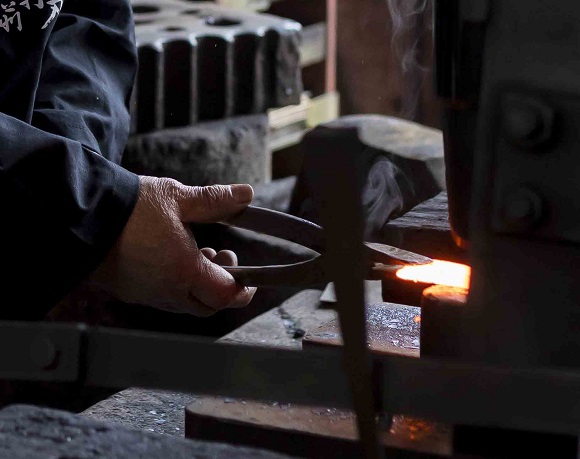
He began selling his "vegetable harvesting knives" all over Japan. In order to achieve a sharpness that would please customers, he began making knives tailored to each growing region.
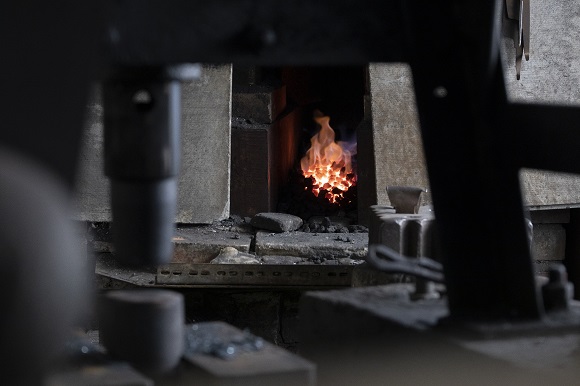
He has excellent skills in forging double-edged knives, and has also promoted the development of new products such as stainless steel knives.
Kamo Cutlery Factory
22-91 Yokawacho, Echizen City, Fukui Prefecture, Takefu Knife Village Cooperative Association
0778-27-7120
-------------------------------------------------------------
Traditional craftsman Masaji Shimizu
Certified in 1991
Pass on the skills and pride of making tuna knives to the next generation. 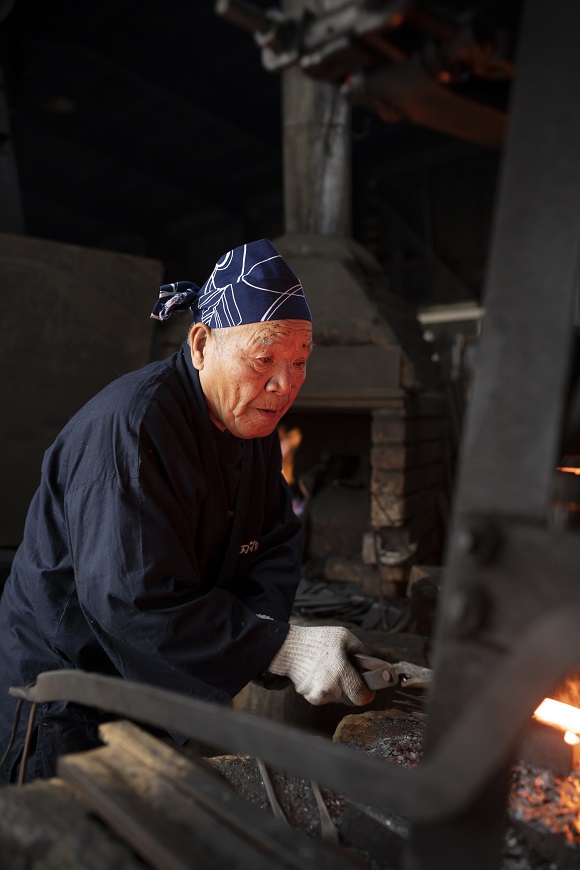
He took over his father's business and worked on vegetable knives and single-edged knives. However, he started making tuna knives by chance. "The blade is about 1.5 meters long, and forging the iron is difficult and hard work, but I take pride in making large, long knives. We also provide thorough maintenance." He also continues to make single-edged knives. He plans to remain active throughout his life and pass on traditional techniques and pride to future generations.
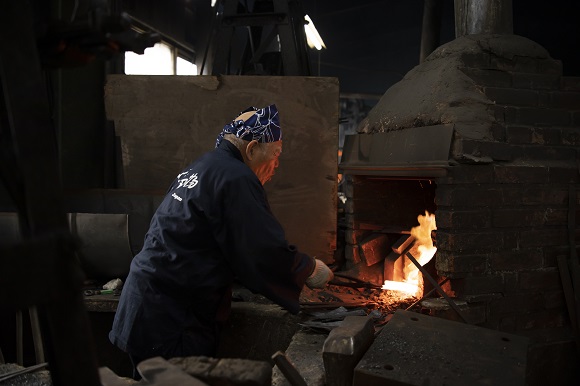
The tuna knives are ordered from outside the prefecture, and even during the interview, requests for repairs were coming in, showing just how many jobs they are able to handle.
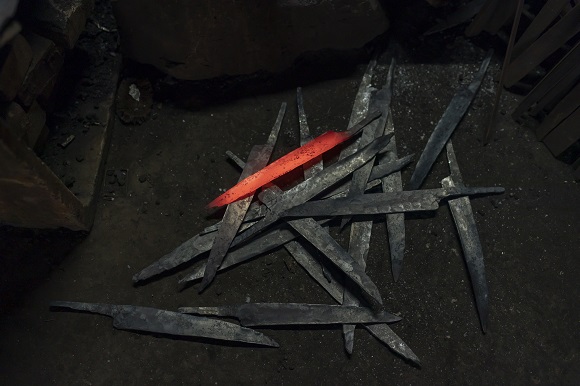
He learned how to make single-edged knives by watching other craftsmen at work. Now, to keep up with the times, he sometimes trains younger craftsmen.
Shimizu Cutlery
46-1-4 Ikenouecho, Echizen City, Fukui Prefecture
0778-24-1652
------------------------------------------------------------
Traditional craftsman Hiroshi Kato
Certified in 2007
Always full of ideas and trying new things. 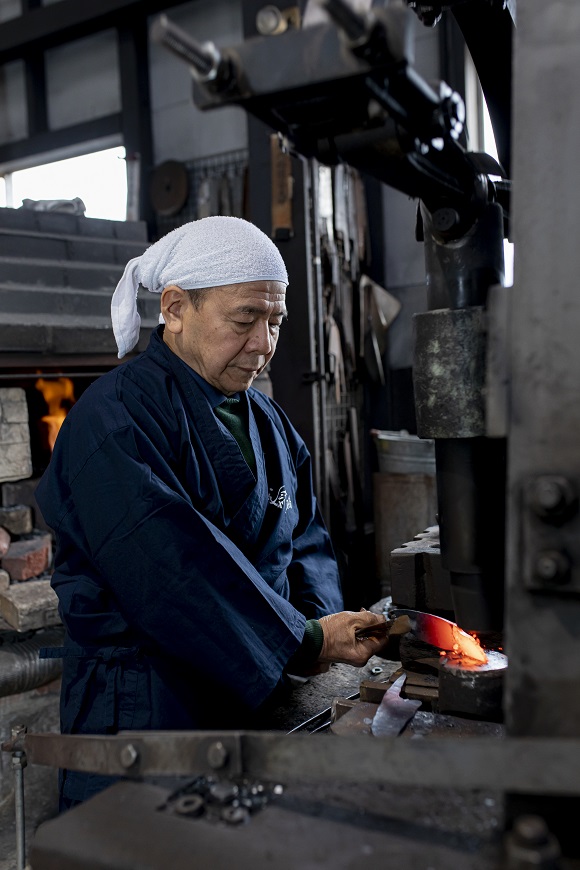
During the heyday of the knife industry, he became attracted to craftsmanship and continues to work in an integrated production environment. "It makes me happy when people use the things I make and are pleased with them. That's why there are still many challenges I want to try, and ideas come to mind." One of his challenges is the manufacture of saw sickles, which he began a few years ago. "The manufacturing method is completely different from that of kitchen knives, and it's interesting!" The careful finish using traditional manufacturing methods is well-received.
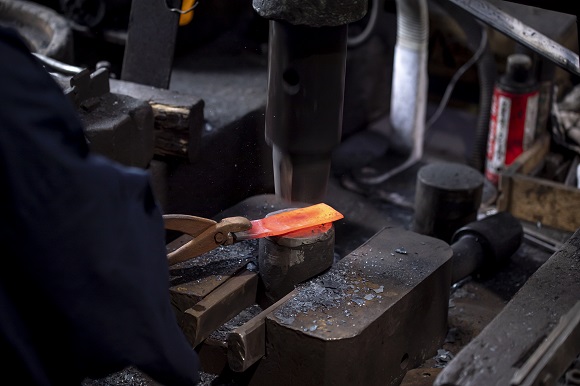
With the motto of "making quality products that can be used for a long time," the company emphasizes traditional techniques and produces Japanese knives, stainless steel knives, and sickles.
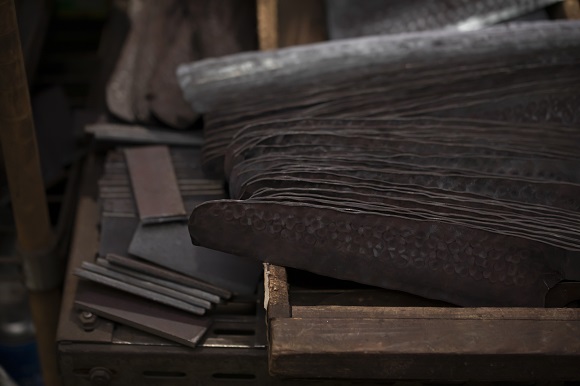
The company has also created an environment where young people can continue working, and is training many young craftsmen.
Kato Cutlery Factory
22-91 Yokawacho, Echizen City, Fukui Prefecture, Takefu Knife Village Cooperative Association
0778-27-7120
------------------------------------------------------------
Traditional craftsman Kazuyoshi Honda
Certified in 2001
Approach the sharpening with more than 120% of your strength. 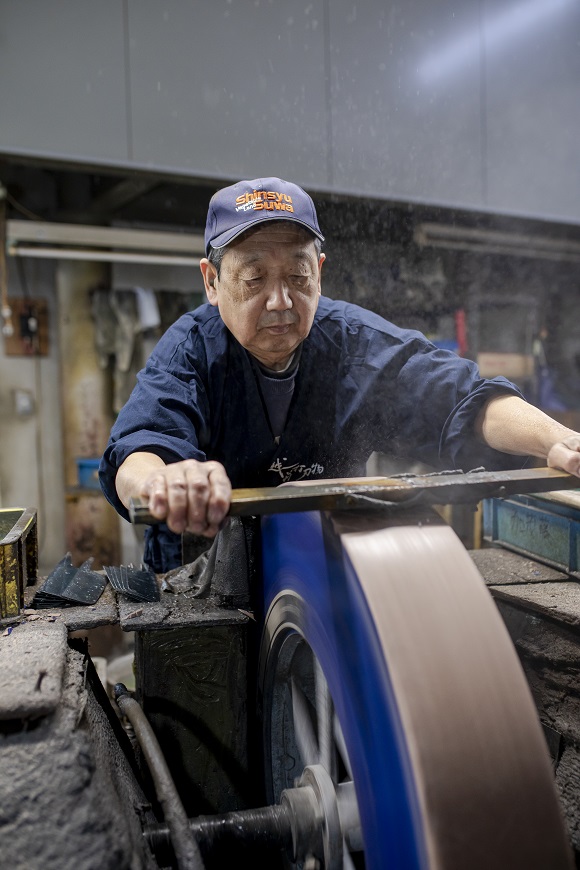
"The times, products, and craftsmen are always changing, so the sharpening method must change accordingly. In that sense, even if you have more than 50 years of work experience, you can't say you're a pro. That's why I always sharpen with 120% or more of my strength." Although giving your all to a job can be hard, he says that the sense of fulfillment he feels thanks to his friends at Knife Village outweighs the hardships. Outside of work, he also enjoys hobbies such as ink painting and bonsai.
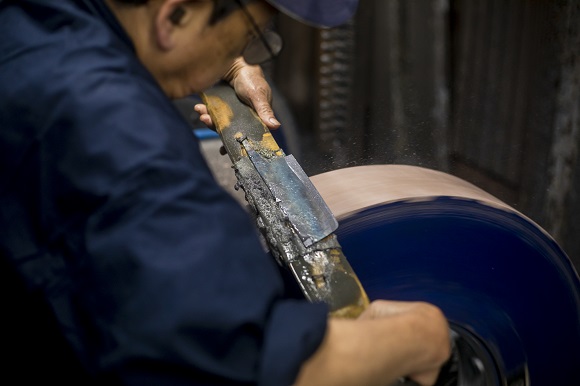
He silently repeats the process of placing the blade against the rapidly rotating whetstone and checking it.
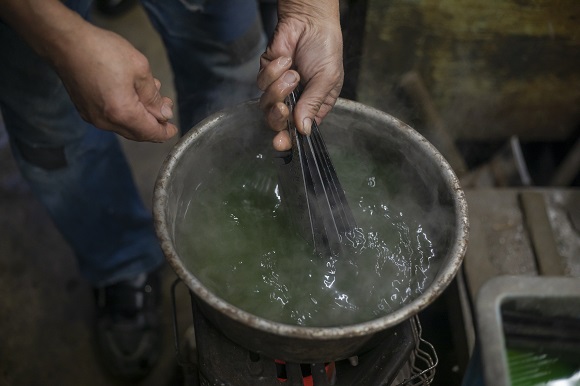
We are engaged in polishing and finishing various knives, including double-edged knives, special knives, soba knives, sushi knives, Chinese chef's knives, etc. We are also particular about the beauty of their appearance.
Honda Cutlery
22-91 Yokawacho, Echizen City, Fukui Prefecture, Takefu Knife Village Cooperative Association
0778-27-7120
--------------------------------------------------------------
Traditional Craftsman Takeshi Saji
Certified in 1994
A pioneer of Japanese-style knives. Competing with a wide variety of products in small quantities. 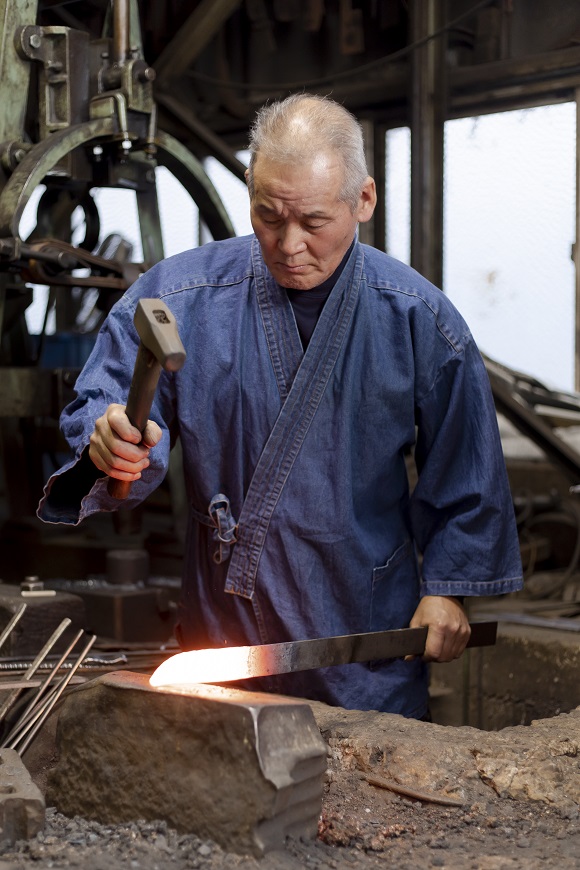
In 1986, he made a complete departure from his predecessor's machete-making, anticipating the times and starting to make Japanese-style knives using traditional techniques. The unique texture of these knives has led to a rapid increase in fans both in Japan and overseas. "Because they are handmade and made with an abundance of materials, we can make anything. If we use this strength to go overseas, we can get hints and information for product development. We want to create new products by repeating this cycle." He also supports young people going independent.
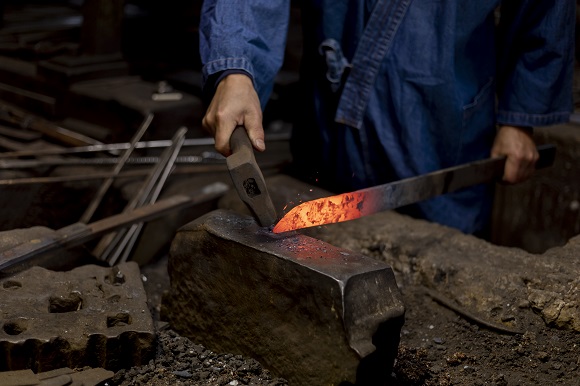
To date, they have produced over 350 different types of knives. The knives, based on Echizen blade-making techniques, have unique and beautiful handles and a one-of-a-kind appearance.
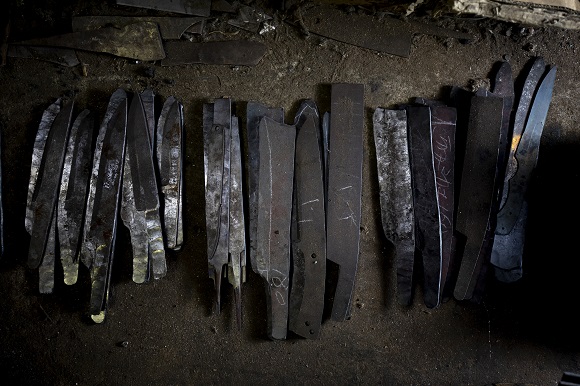
The basis of their work is to make things by hand, and they are constantly experimenting with different materials and techniques to create unique products.
Saji Cutlery
45-1-6 Ikenouecho, Echizen City, Fukui Prefecture
0778-24-1651
-------------------------------------------------------------
Traditional craftsman Masanobu Okada
Certified in 2001
We develop new blades by taking on new challenges and incorporating the traditional techniques we have mastered. 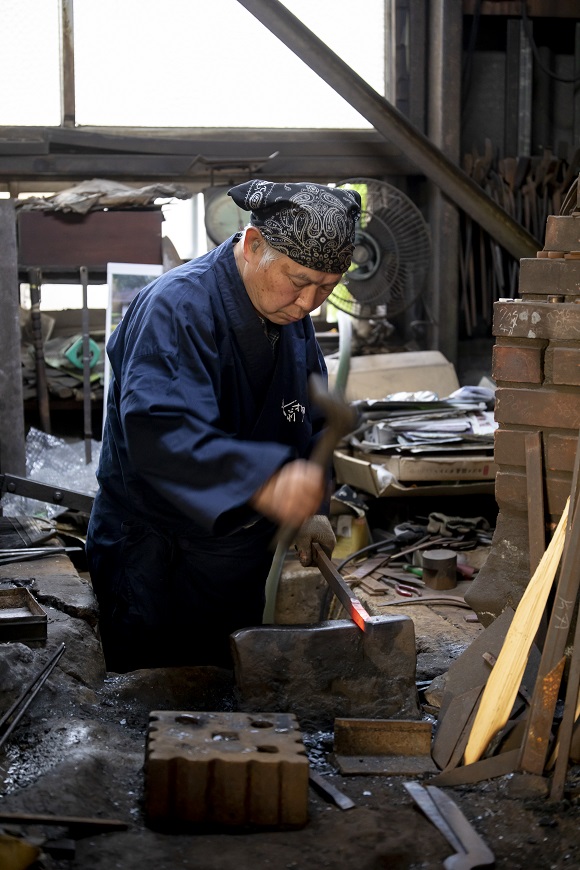
He inherited the traditional technique of turning steel, which is Echizen forged blades. From a young age, he has been honing his skills by taking on new challenges and gaining experience. He believes that emphasizing tradition and fundamentals allows for application and ingenuity, which can also lead to development. He is highly motivated to create, saying, "Forged blades are interesting because they can be invented, applied, and performed!" Exhibiting at overseas exhibitions is also one of his challenges and performances.
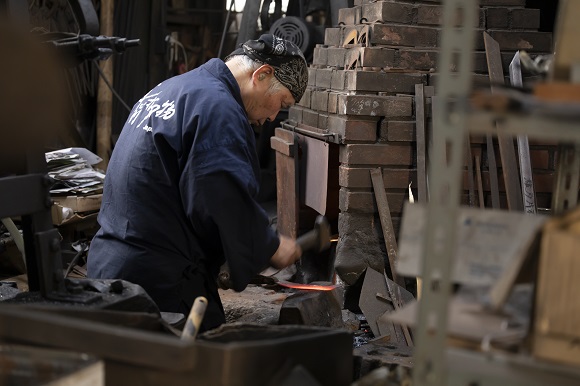
"My job is to respect the basics while adding ingenuity and thinking further," he says.
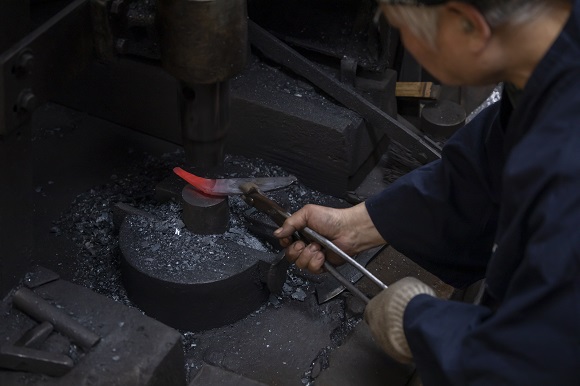
Believing that it is difficult to revive something once it is lost, the company is committed to carrying on the traditional technique of "Mawashi Hagane Tsuke."
Okada Cutlery Factory
45-1-6 Ikenouecho, Echizen City, Fukui Prefecture
0778-24-1612
-----------------------------------------------------------------------------------
Traditional craftsman Hideo Kitaoka
Certified in 2003
We create special products through trial and error, which is possible with integrated production. 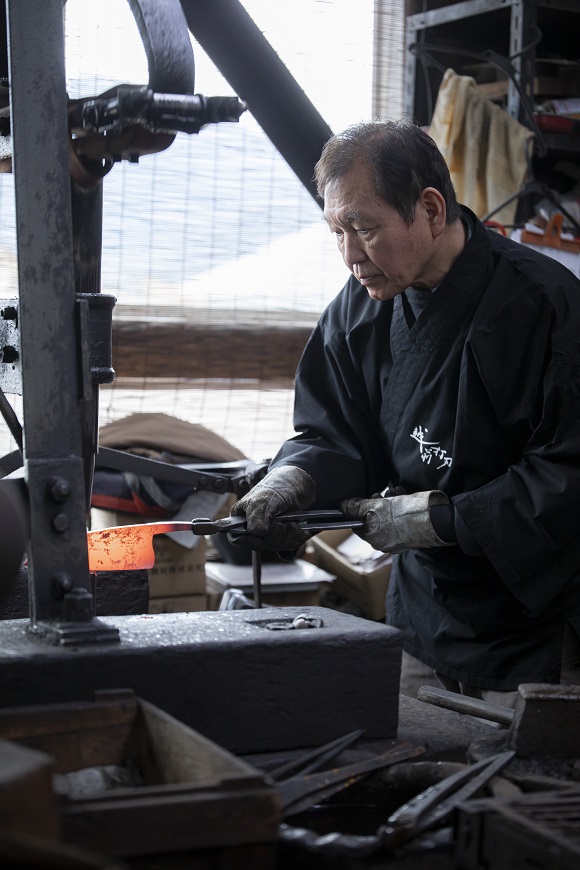
He now specializes in single-edged knives, following in the footsteps of his father, who made both vegetable knives and single-edged knives. "My father's work is my work. I have learned by watching and imitating. I realize the fun, depth, and strength of being particular about materials and patterns, which is possible because of integrated production." That is why he says he has a responsibility to train the younger generation. "I intend to pass on the greatness of Echizen hammered knives to future generations."
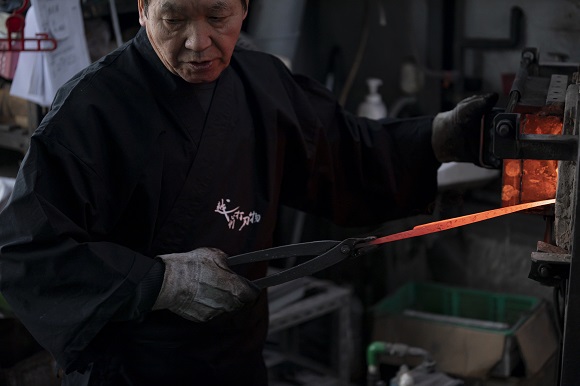
"Traditional industries are the accumulation of individual techniques. It's a job that can only be done by learning with your hands and body." He says that knife making is full of the joys of integrated production.
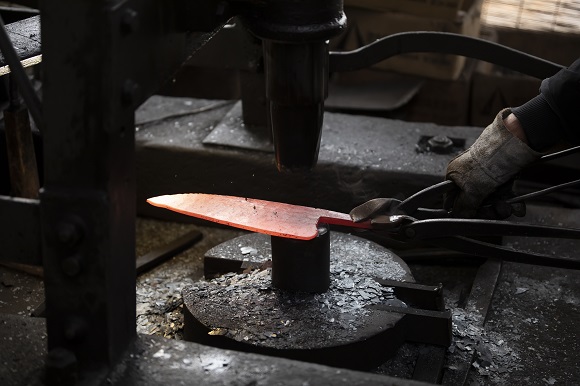
When the red hot iron is hit with a belt hammer, the same shape is created one after another.
Kitaoka Cutlery Factory
22-91 Yokawacho, Echizen City, Fukui Prefecture, Takefu Knife Village Cooperative Association
0778-27-7120
-----------------------------------------------------------------------------
Traditional craftsman Kazunori Okawa
Certified in 2007
We will perfect the beauty of 1 + 1 equaling 3.
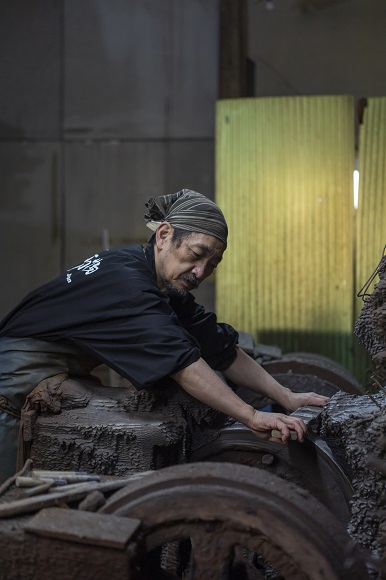
He became a craftsman under the tutelage of his father, who was an accomplished sharpener. "The final step in knife making is sharpening, which is a one-shot deal. The quality of the product depends on how well you sharpen it, so my motto is to concentrate and not to over-sharpen, and to finish it properly. I also believe that my work should be such that 1 + 1 does not equal 2, but 3." He also enjoys the process of beautifully finishing the knives.
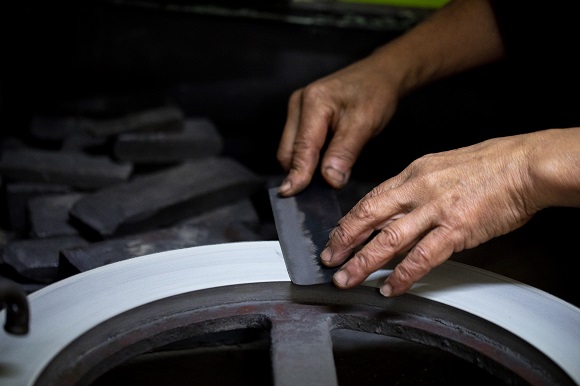
The sharpening method varies depending on the blade, and we are able to handle this because we have handled a wide variety of blades up until now.
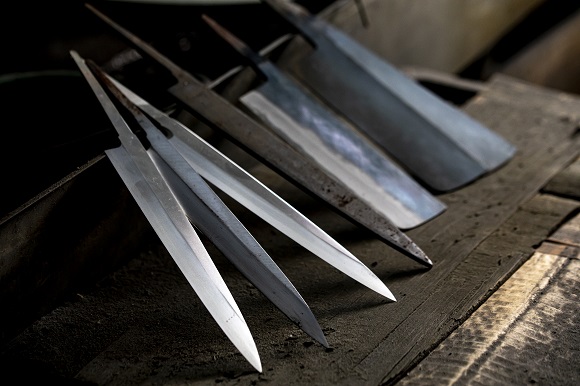
These knives are sharpened with a sense of responsibility, marking the final step in the knife-making process.
Okawa Cutlery Factory
49-1-5 Ikenouecho, Echizen City, Fukui Prefecture
0778-24-1781
-----------------------------------------------------------------
Traditional craftsman Kamo Shirou
Certified in 2003
We provide quality products using technology that meets needs and also generate interaction. 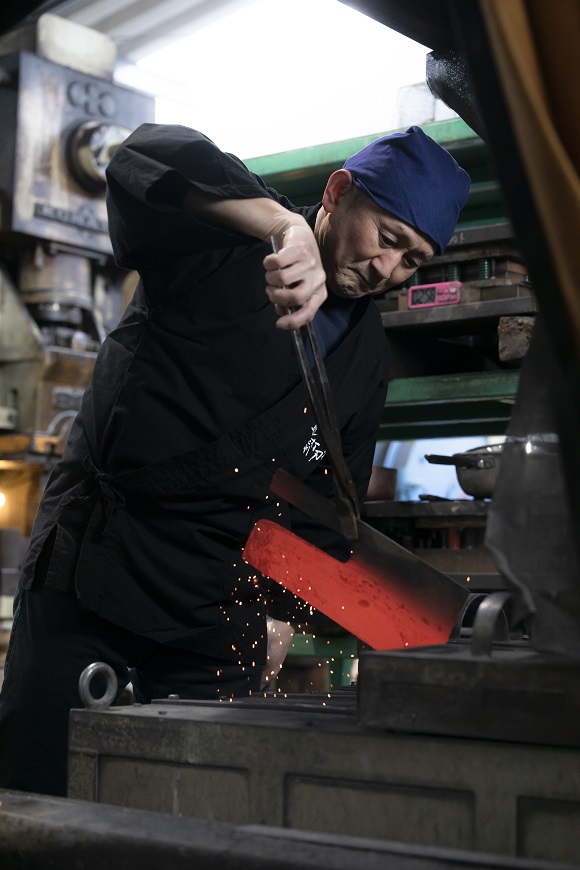 Following in his father's footsteps as a knife craftsman, he followed in his footsteps. In addition to general kitchen knives, he develops and manufactures knives for specific purposes such as cutting soba noodles, cutting paper, and filleting fish. He honed his skills to meet the needs of custom-made products and overseas demand. He also says, "Encouraged by the interactions with customers at Knife Village, I want to further hone my skills and always provide high-quality products." By expanding overseas, he also aims to improve the skills of the young people who work with him.
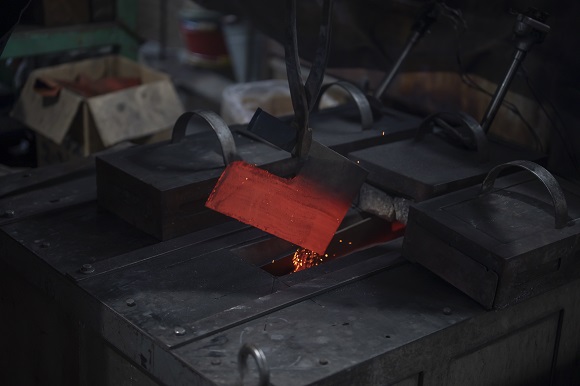
Sobakiri knives are often made to order, and responding to these orders has naturally honed the craftsmanship.
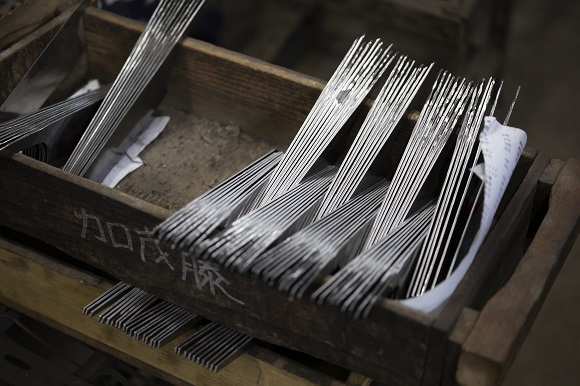
Nakiri knives are popular overseas. They are constantly researching ways to meet the different needs for cutting ingredients compared to Japan.
Kamodou Cutlery
22-91 Yokawacho, Echizen City, Fukui Prefecture, Takefu Knife Village Cooperative Association
0778-27-7120
--------------------------------------------------------------
Traditional craftsman Kazuo Nomura
2019 Certification
We provide an environment where people can take on challenges and create models that consider the users. 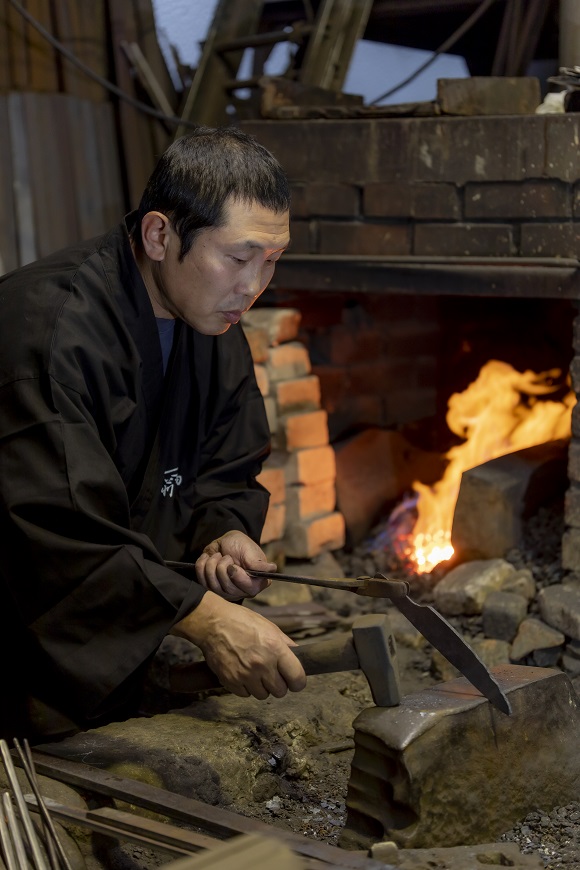
When making knives, he always thinks about the people who will use them. He delivers knives that embody those thoughts (models). "Every time I make and sell various shapes, I realize the joy and excitement of being a craftsman." He will continue to use his blacksmithing skills to create a wide variety of products. He is grateful to his master for encouraging him to take on challenges, and while he focuses on making things, he also puts his efforts into training young people.
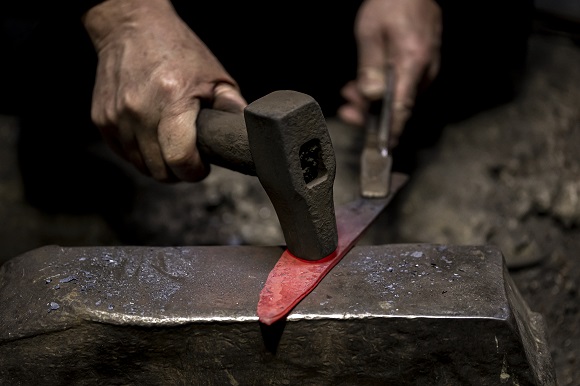
He started aiming to become a cutlery craftsman when he was about 30 years old. Although he faced obstacles at first, he was eventually certified as a traditional craftsman in 2019.
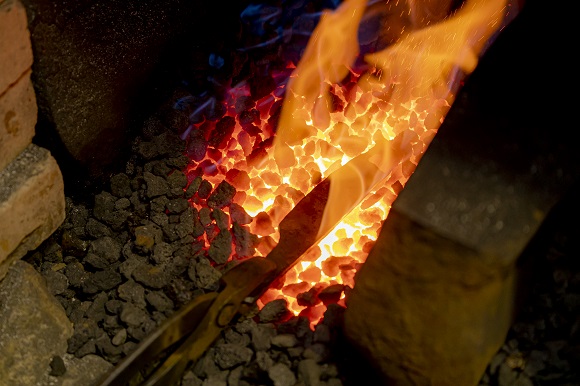
As the president of the workshop, he says he would like to develop his own brand using the "Saji brand" in the future.
Saji Cutlery
45-1-6 Ikenouecho, Echizen City, Fukui Prefecture
0778-24-1651
-------------------------------------------------------------
Traditional Craftsman Takeshi Iwai
Certified in 2007
We turn ideas into reality with skilled techniques and free imagination.
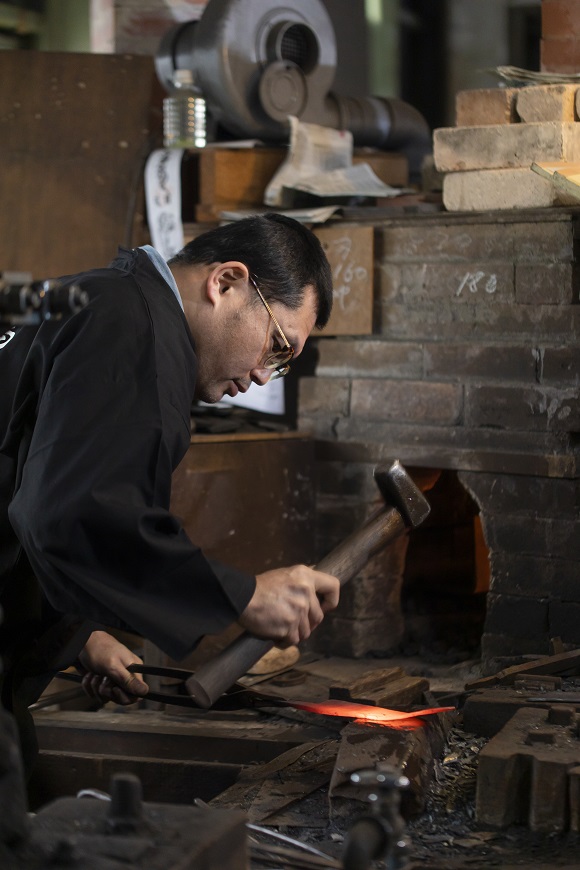
His interest in craftsmanship led him to the world of forged knives, which his father is involved in. He started with sharpening, watched and learned from various trades, and at the age of 35, became the youngest traditional craftsman in the industry. "I like new things and experiences, and I like thinking of ways to give form to my ideas even more." In addition to blades, he also creates many original products such as handles and cases. He is committed to creating "unusual things" that only he can do.
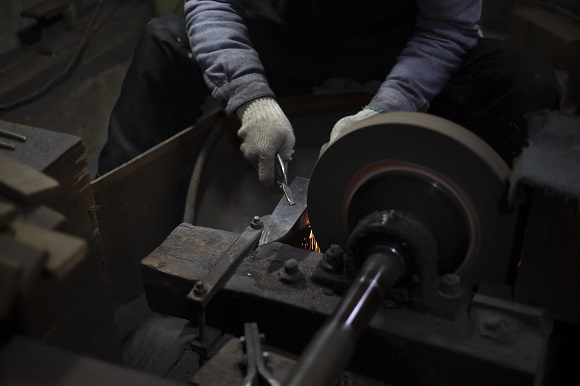
He inherited his father's policy of "never say no!" and approaches his daily work with this in mind.
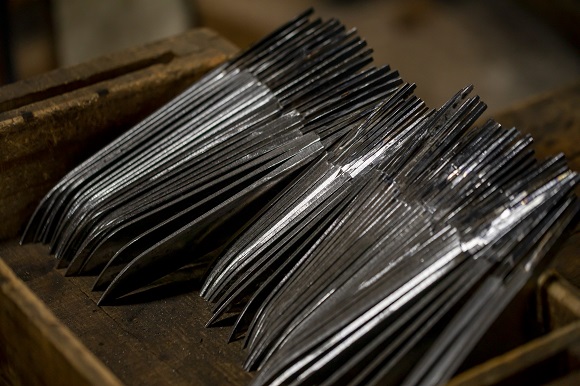
When faced with a difficult order, he takes on the challenge with the determination to "do something about it!" In fact, he has overcome many difficult challenges up until now.
Blacksmith workshop Iwai 49-1-9 Ikenouecho, Echizen City, Fukui Prefecture
0778-24-1623
-------------------------------------------------------------------
Traditional craftsman Yuji Totani
2018 Certification
As the unsung hero, he strives to hone his skills. 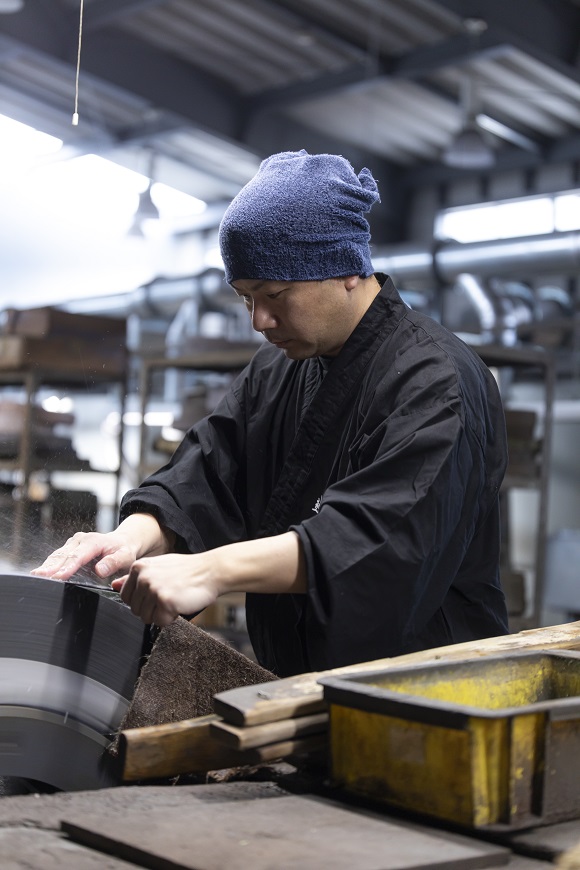
After working for about 10 years as a company employee, he took over from his father as the third generation sharpener. "I've learned from my father and other masters and gained experience and achievements, but I'm never satisfied because I'm always finding and solving problems. I just keep perfecting my sharpening as the unsung hero of the blacksmith." He also has active exchanges with other industries, and is involved in the development and manufacturing of chiffon cake knives.
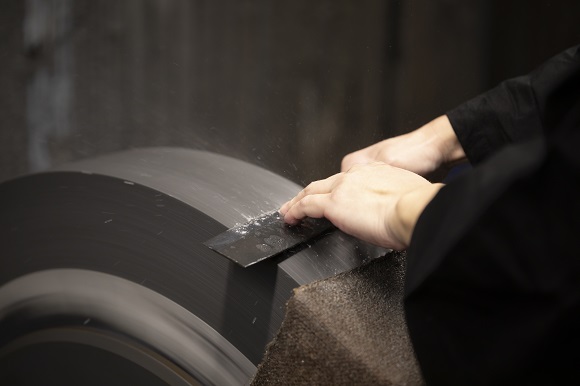
He was also attracted to the idea of earning a living through his own efforts, so he entered the world of craftsmen. When he first became a craftsman, he practiced diligently to hone his skills.
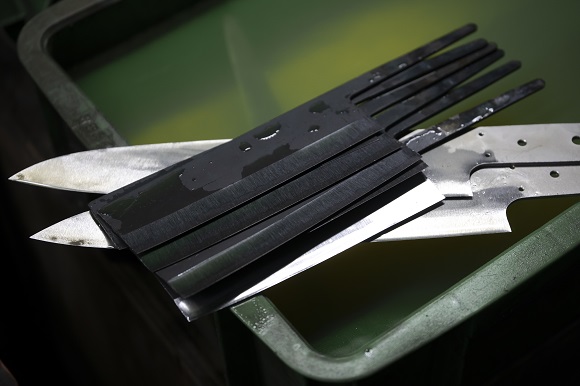
He makes knives with the awareness that he is making tools for people, and says that making things perfect is "normal."
(Information)
Sharpening four
22-91 Yokawacho, Echizen City, Fukui Prefecture, Takefu Knife Village Cooperative Association
0778-27-7120
------------------------------------------------------------
Traditional Craftsman Makoto Kurosaki
2019 Certification
Analyze the collected data and create products that are worth more than their price. 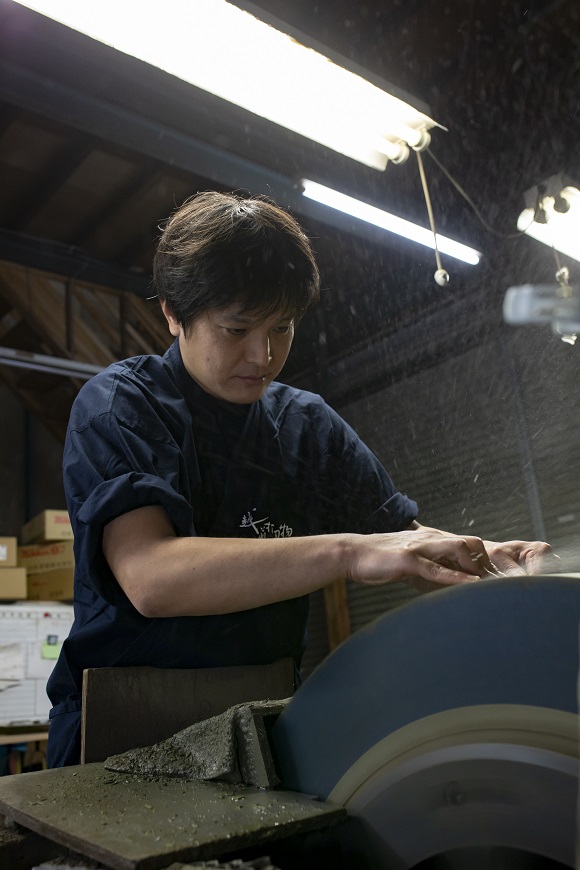
He jumped into a world where he could continue his lifelong work. When he first tried it, he found it more interesting and amazing than difficult, and now he has come to pursue its depth and enjoy it. He believes that data is essential to mastering the technique, so he continues to research and practice. He specializes in sharpening, but also makes knives. He uses new materials, travels to other production areas, and utilizes various stimuli and data to provide better sharpening and products.
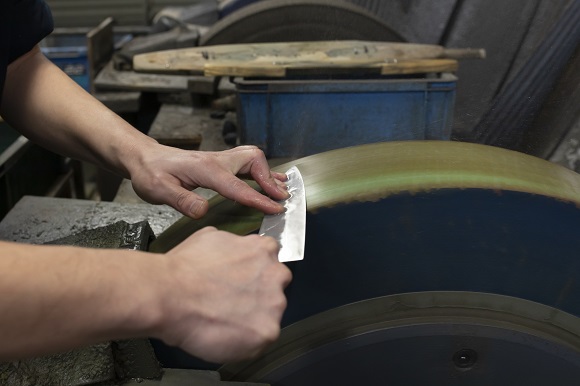
He calls himself a "researcher," saying that he loves collecting data and doing research because it's fun.
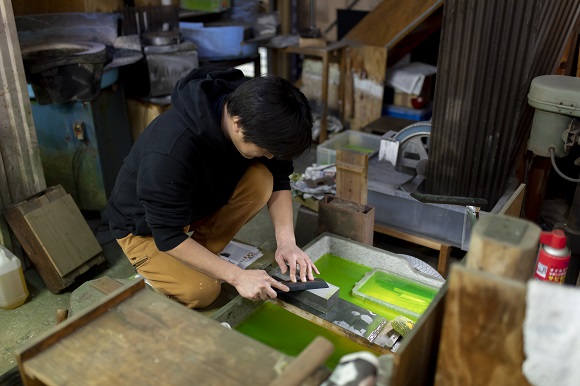
By continuing to conduct research and promoting high-quality products, the goal is to further increase awareness of Fukui and Echizen hammered cutlery.
STYLE‐K
9-24 Takeyanagicho, Echizen City, Fukui Prefecture
0778-78-9205
-----------------------------------------------------
Traditional Craftsman Yu Kurosaki
2018 Certification
Establishing the brand and creating beautiful blades.
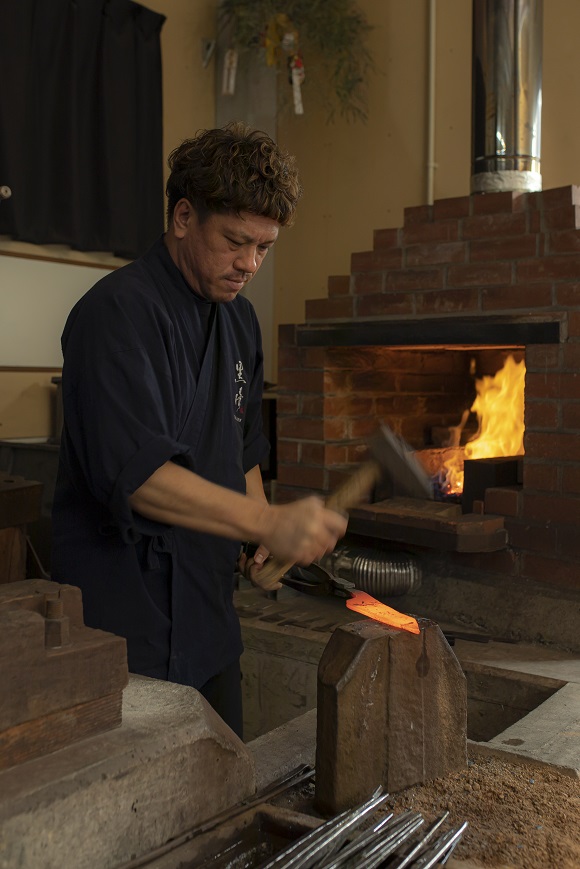
He combined his love of craftsmanship with his desire to leave his mark on the world through Echizen Uchihamono. While learning traditional techniques from his master, he became engrossed in the joy of creating pieces. After exhibiting at knife shows in Japan and abroad and gaining recognition, he established a new workshop. "I want to make stylish, cool knives that young people look up to, and to develop talent." The name "Kurosaki" and beautiful knives have already become a brand in their own right.
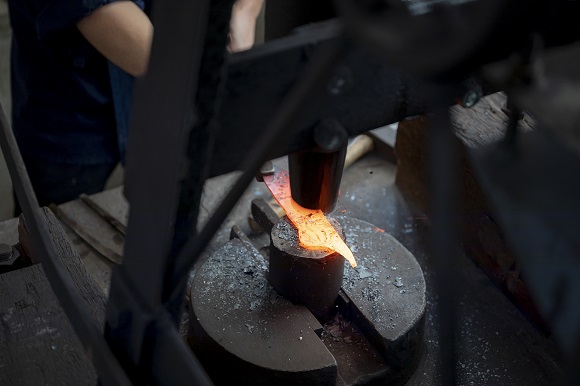
The knives he makes have a smart design, with hand-forged textures such as hammered marks and suminagashi. He also pays attention to the materials used for the blade and handle.
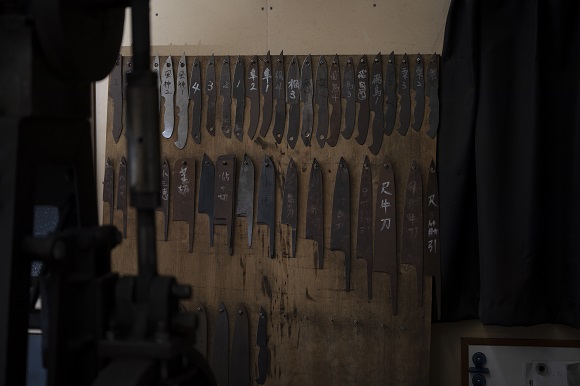
Kitchen knives and other cutting tools are highly functional as well as stylish, and 80% of orders come from overseas.
Kurosaki Uchihamono
19-13-1 Ikeizumicho, Echizen City, Fukui Prefecture
0778-27-6230
--------------------------------------------------
Traditional craftsman Nao Yamamoto
2018 Certification
The joy of craftsmanship and the person who uses it are reflected in the blades.
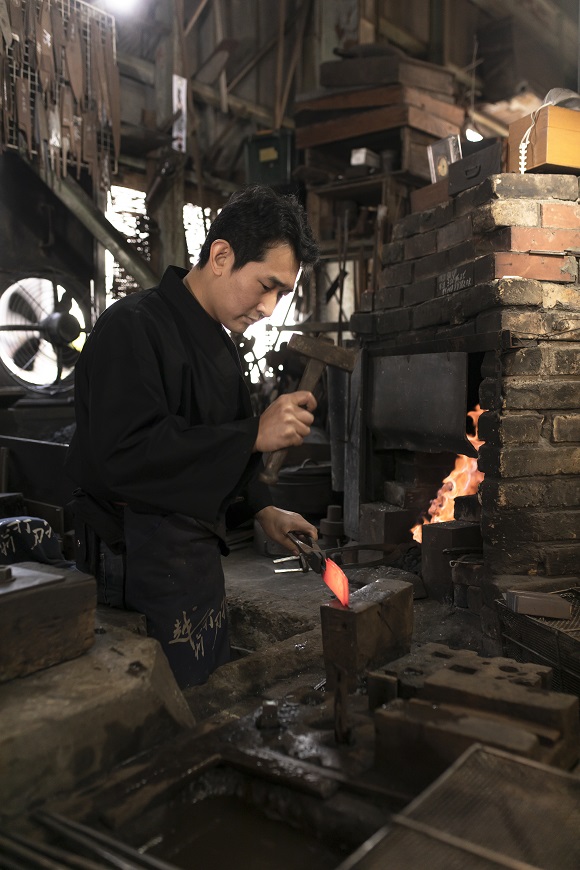
After experiencing the Great Hanshin-Awaji Earthquake in his hometown, he pondered over what it meant to live and what he wanted to do. He decided to pursue his passion for craftsmanship. Raised by two strict but kind masters, he is now devoted to craftsmanship that emphasizes functionality. He believes that a craftsman is someone who listens to the customer's wishes, adds suggestions to them, and provides them. While learning about the history and culture of Echizen blades, he reflects the joy of being able to live doing what he loves in his knives.
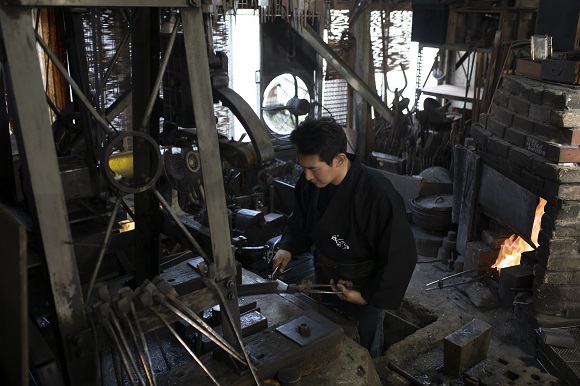
"The things we make should be practical items that can be used every day," he says, and he makes knives that emphasize functionality.
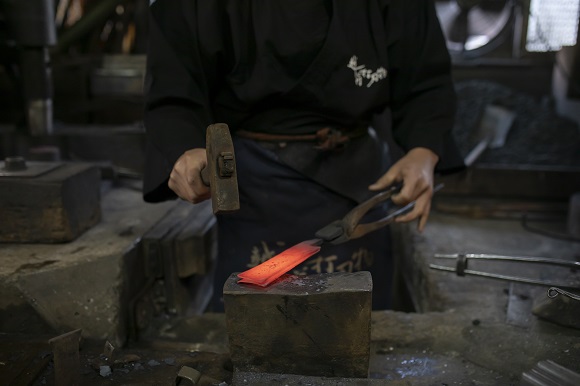
Even now that he has become a traditional craftsman, he continues to study Echizen hammered blades by listening to the stories of his senior craftsmen and taking photographs.
Yamamoto Uchihamono
92-5-9 Ikenouecho, Echizen City, Fukui Prefecture
0778-22-1617
----------------------------------------------------
Traditional craftsman Yoshihiro Yauji
2018 Certification
Evolving tradition to create something new.
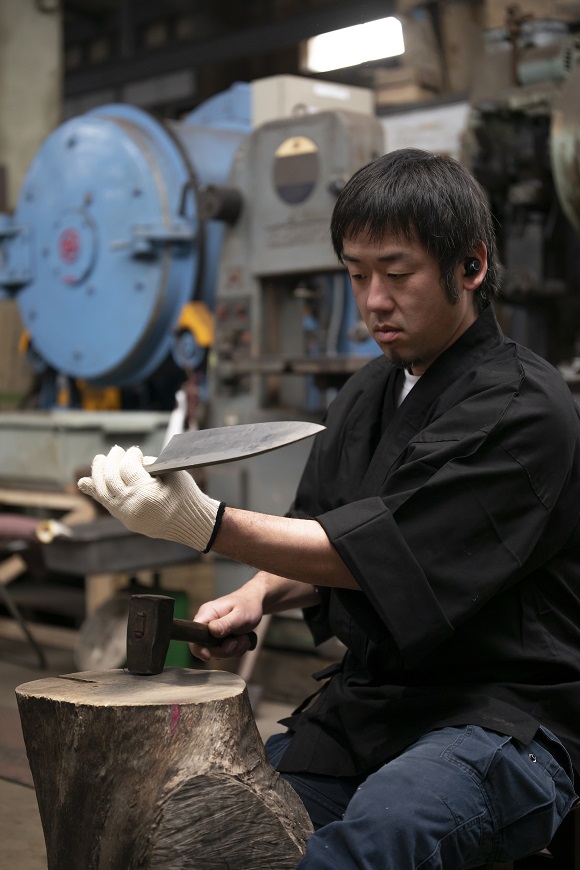
"The origin of my beloved craftsmanship is tools. That's why I became a cutlery craftsman." Now that he has become a traditional craftsman, he wants to create new things by evolving the traditional techniques he learned during his training while also passing them on. He has also formed a team for the traditional "Tatara-zukuri" craft. He has begun to disseminate information about the history and culture of the craft through activities such as holding his own study sessions, while also working on making products.
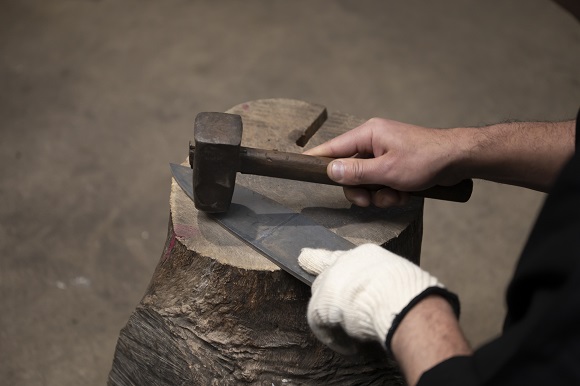
They repeatedly make small adjustments by hand and check to make sure the wire is stretched out straight and flat.
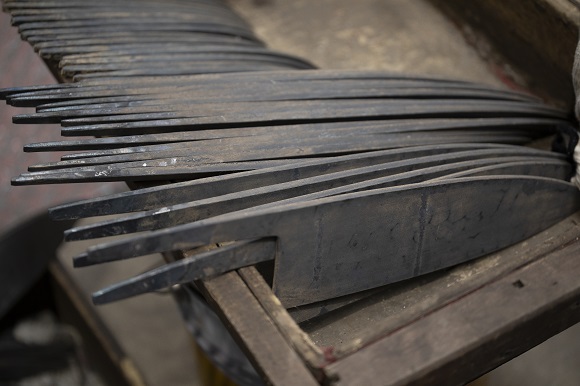
At Knife Village, he learned from the work of senior craftsmen in other workshops and honed his own skills.
Relaxation
22-91 Yokawacho, Echizen City, Fukui Prefecture
0778-27-7120
---------------------------------------------------
Traditional craftsman Takumi Ikeda
2019 Certification
Always tackle challenges and establish your own style.
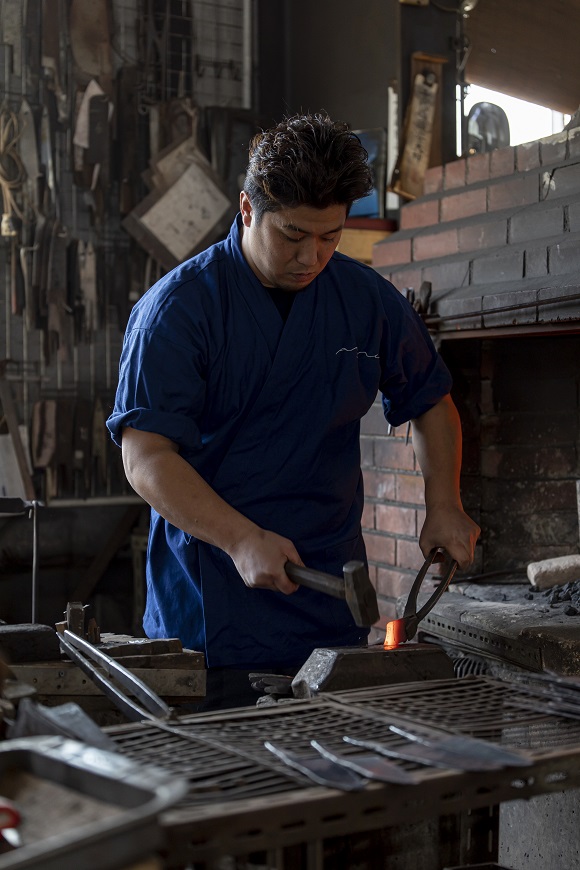
As the fifth generation of Yasuda Uchihamono, he started his career as a craftsman after graduating from university. "The more experience I gained, the more I realized that Uchihamono is not just manufacturing, but a job that requires something extra. Even now, more than 10 years later, I'm not satisfied, and I'm always looking for new challenges and striving for the highest quality." He listens to various opinions from his customers, makes use of advice from his masters to create high-quality products, and continues to make efforts to add his own touch to them.
He feels that the joy of making a knife comes from the fact that it involves many steps.
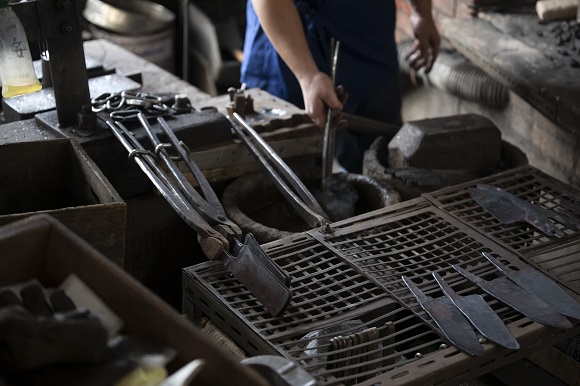
He is good at concentrating on one task and working steadily. He says, "I want to make good products that can be used for a long time."
Anryu Cutlery
22-91 Yokawacho, Echizen City, Fukui Prefecture, Takefu Knife Village Cooperative Association
0778-27-7120
link
About Echizen Cutlery
How Echizen blades are made
Introduction to Echizen Cutlery Workshop