
Scale Model of Nara Palace - Points of Interest
Scale Model of Nara Palace - Points of Interest
The scale model of Nara Palace reflects the results of more than 50 years of excavations and research carried out by the Nara National Research Institute for Cultural Properties. Discover a number of fascinating points through the peepholes around the model.
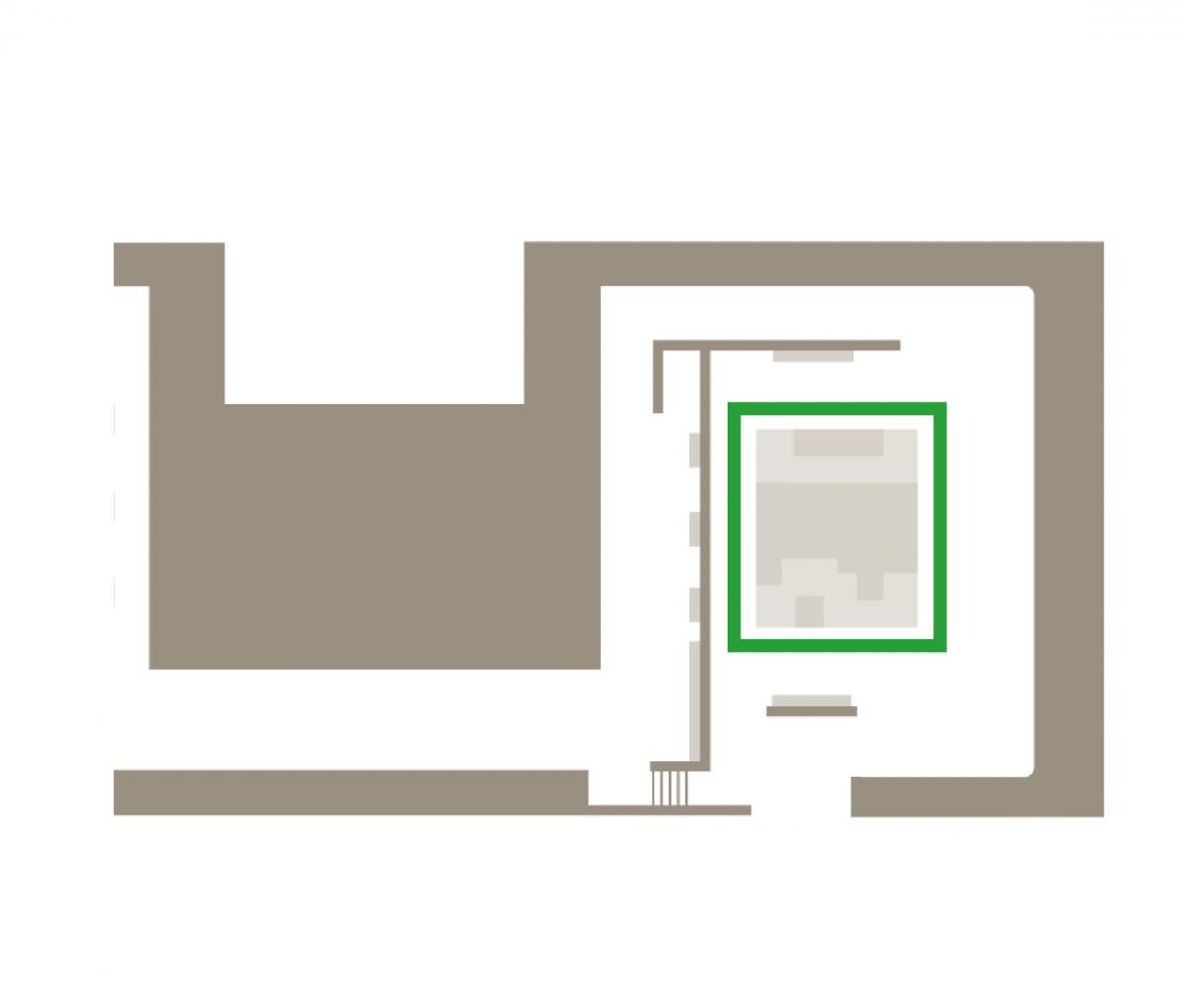
■ a. The Gate that Never Opened?
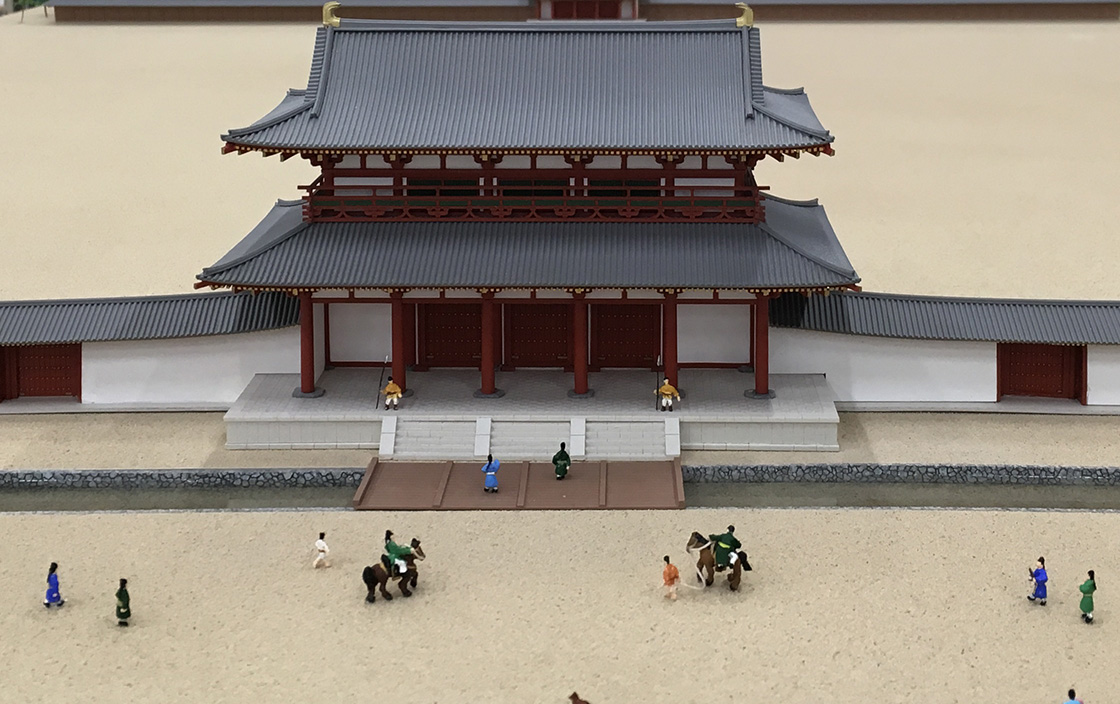
Nara Palace contains 12 gates which all opened approximately 20 minutes before sunrise. However, the central gate of the palace’s main entrance, Suzaku-mon Gate, was only opened on special occasions—officials only entered through both its side gates.
■ b. Neat Lines at the Daigokuden-in (Imperial Audience Hall Compound)
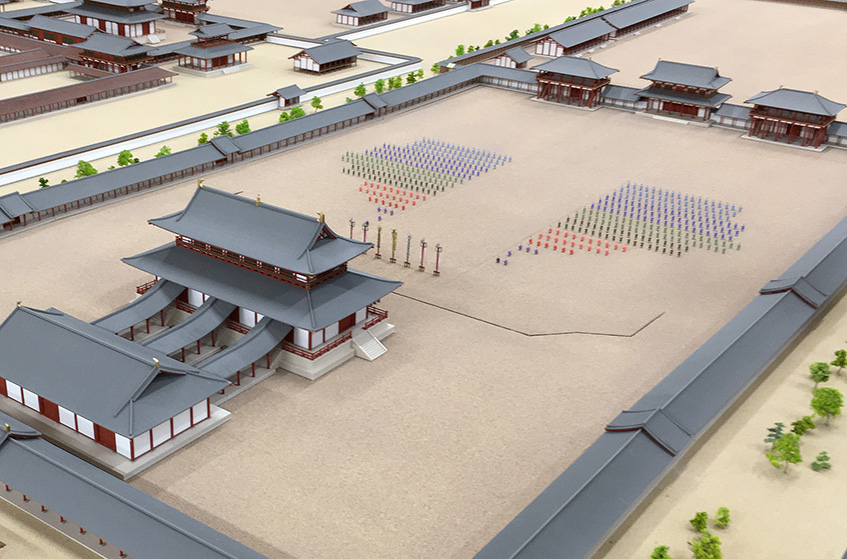
Of the officials who worked at Nara Palace, about 150 were aristocracy (fifth rank and higher), and 600 or so were middle and lower ranked officials (sixth rank and lower). During the ceremonies such as New Year’s greetings to the Emperor, all officials were neatly lined up according to their rank.
■ c. The Emperor Faces South
Those chosen by the heavens to govern over the imperial lands would face south over their subjects. This view of officials lined up from north to south is the very same view that the Emperor would have had.
■ d.Who Attended Royal Banquets?
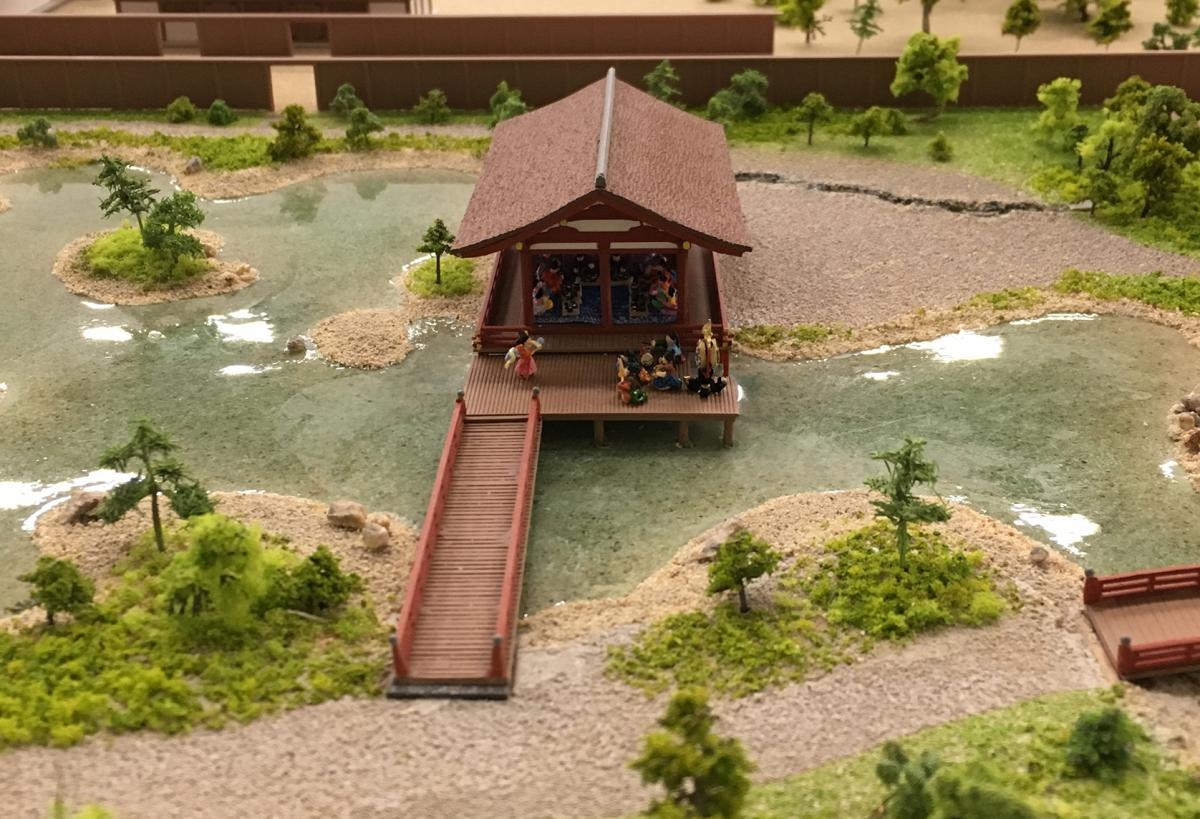
The To-in Teien garden, famous for its elegantly curved pond, was perhaps the greatest garden of the Nara Period. Only the Emperor and the aristocracy could enjoy the lavish foods and drinks that were prepared for the banquets held within its confines throughout the year.
■ e.Why Put an Extravagant Roof on a Well?
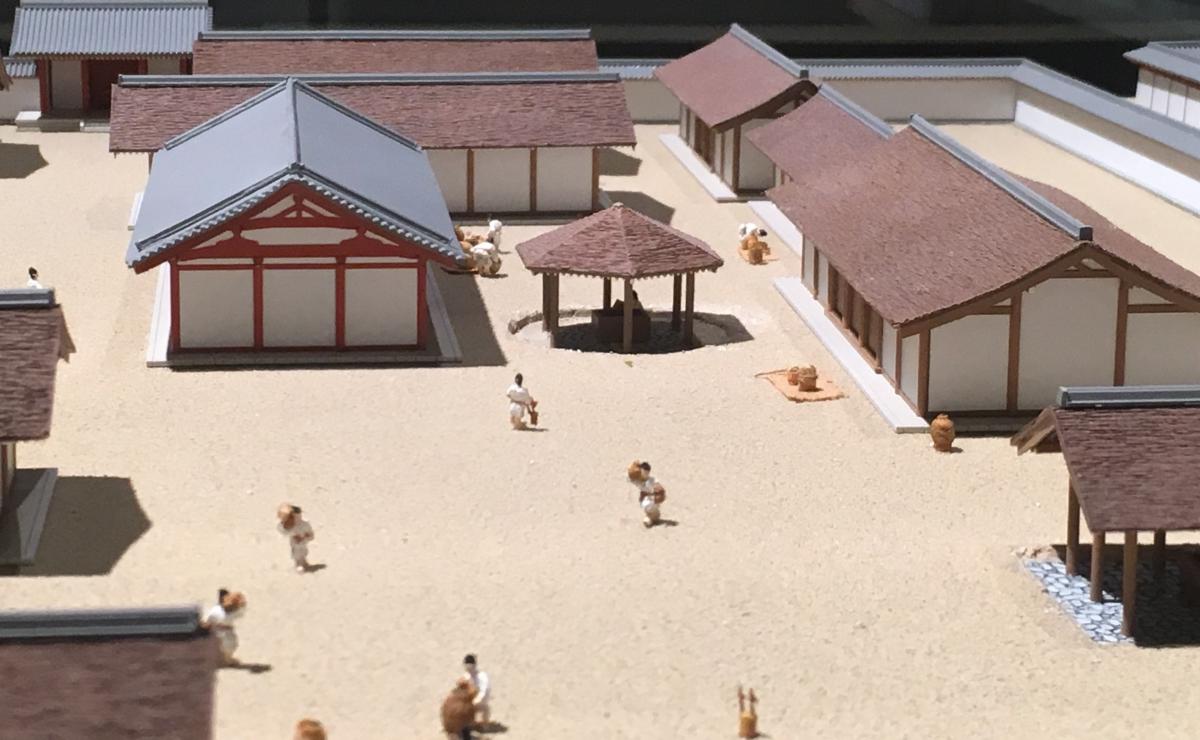
The Zoshushi was where rice wine and vinegar were brewed for the palace. The large well with is hexagonal roof may have been utilized to draw water for brewing rice wine used in Shinto rituals and other special events.
■ f. What Are These People Doing?
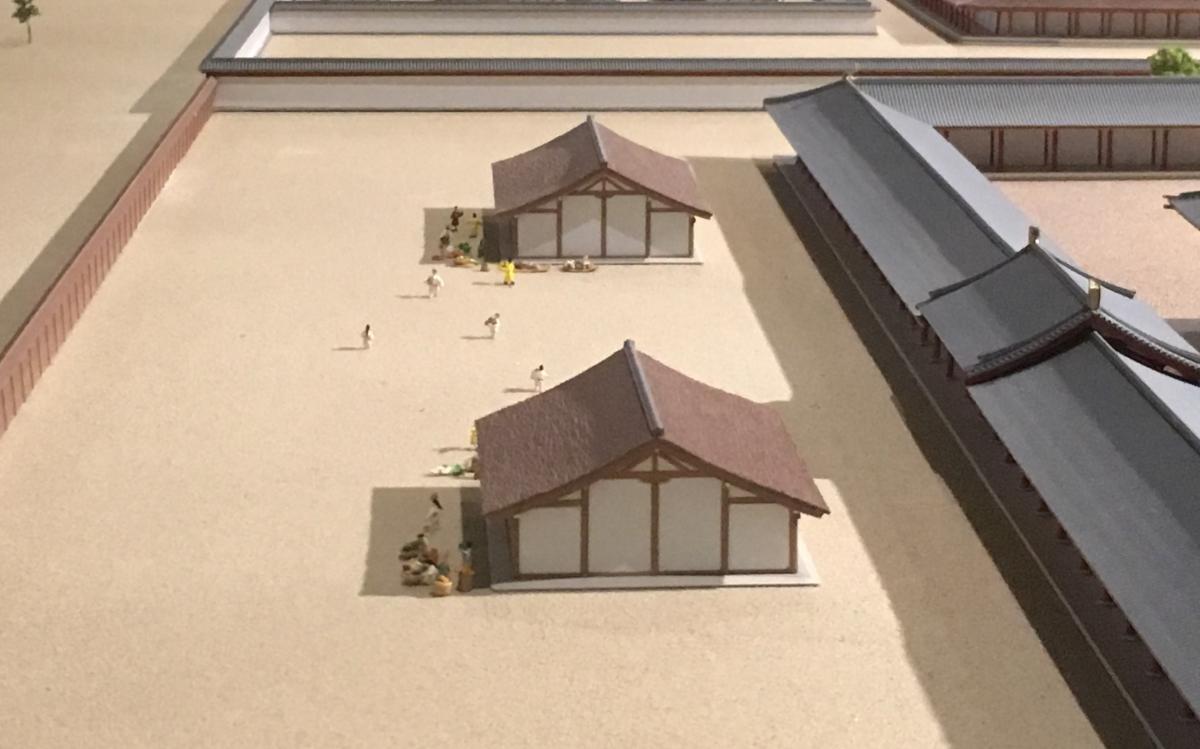
The ladies gathered around the well are working at the Bureau of Imperial Cuisine. This is similar to the modern food supply center, a busy place where they took care of ingredients sent in from around the country, and also where food was prepared for palace officials and court ceremonies.
■ g. What Was This Horse Used For?
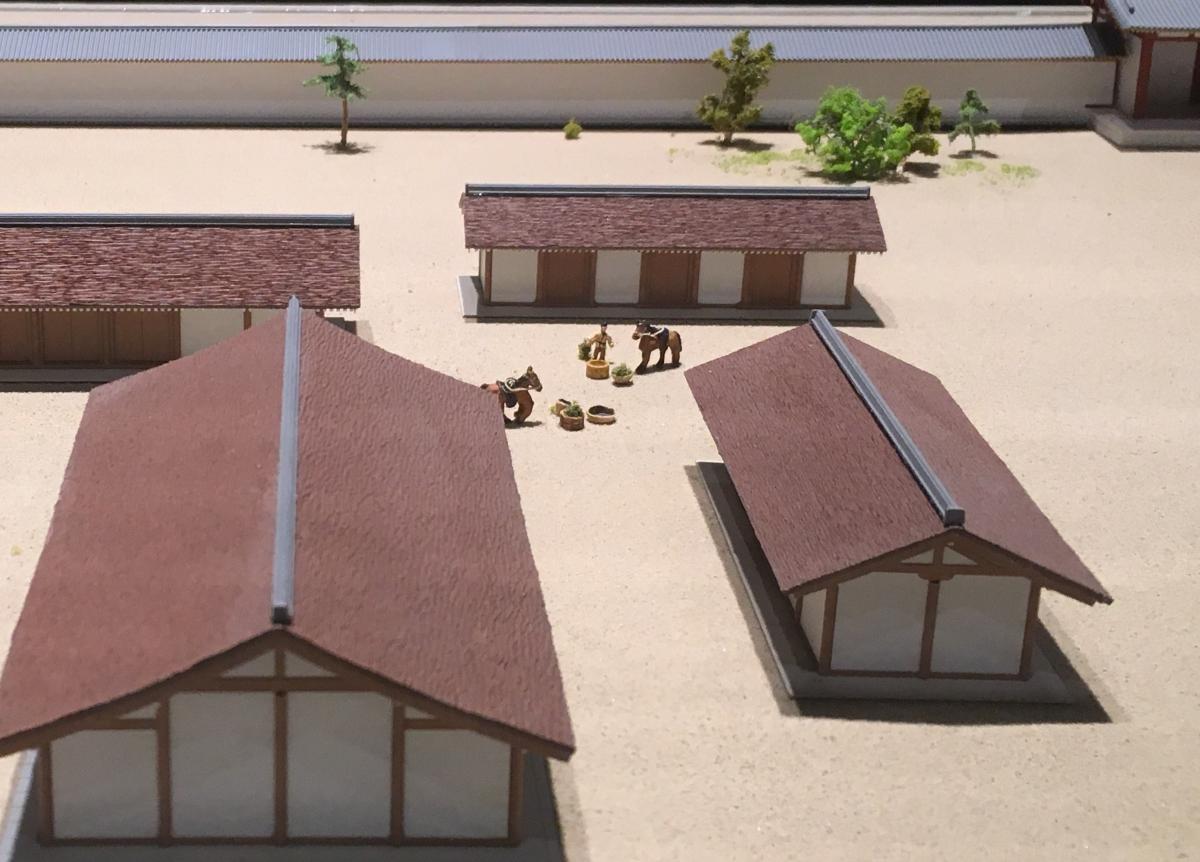
During the Nara Period, horses were important animals mostly used for transport and military purposes. These areas, known as meryo, were stables where these important animals were bred and trained.
■ h. A Range of Mouth-watering Ingredients!
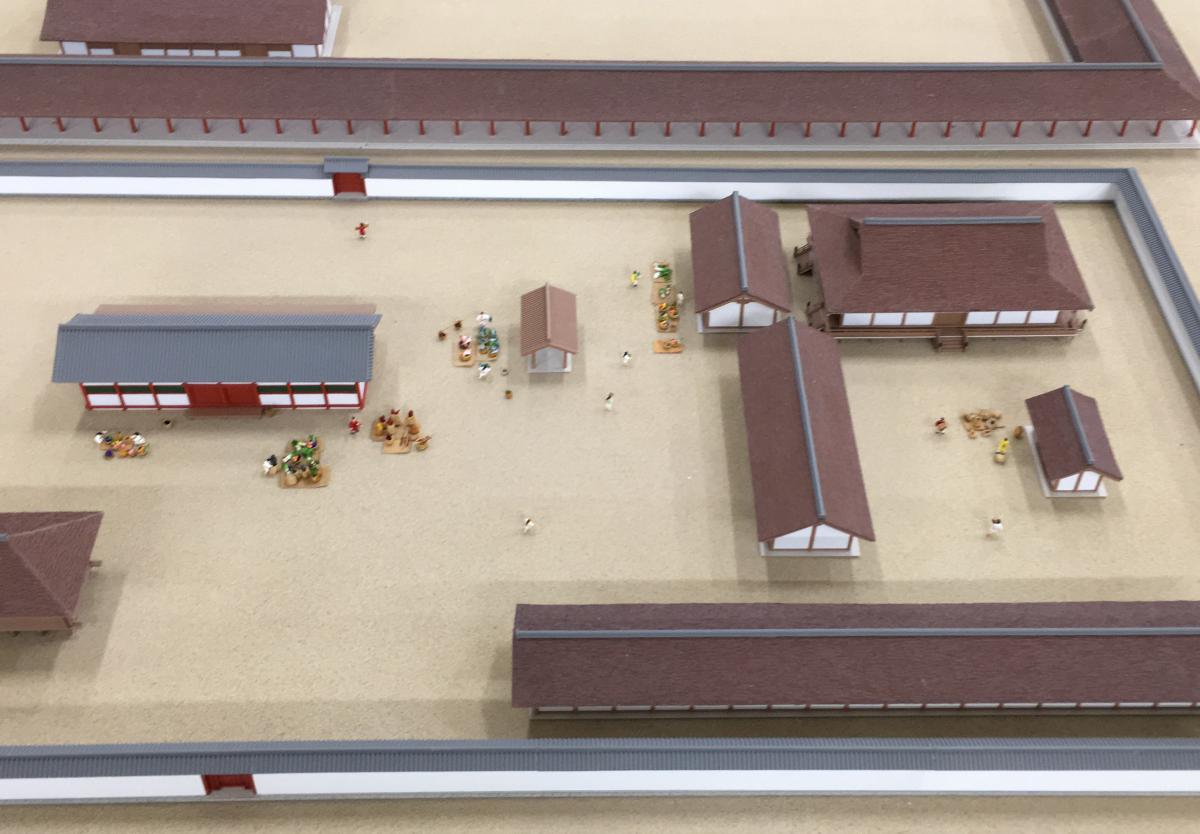
Nie were a special type of food offering for the Emperor, and specialty goods unique to each region were collected from across the country. It is thought that here lay the Naizenshi, or Imperial Table Office, where meals for the Emperor were prepared using these nie.